



Mice & rats · At a glance
Good neighbours.
Bad roommates.
Mice and rats look for food, warmth and shelter. When they find a way into your home, understanding how they got in is the first step toward a lasting solution.
Our family-run team brings 40+ years of hands-on experience to humane wildlife removal and prevention across Toronto and the GTA.

Where they settle
Attics, wall spaces, basements and garages can offer shelter close to food.
How they get in
Gaps around foundations, doors, vents and utility lines deserve a careful inspection.
Signs & damage
Scratching sounds, droppings, gnaw marks and damaged food packaging can signal activity.
Keep them out
Address entry points and food sources as part of a plan for your property.
See our humane approach
Compassion.
In action.
A look at the care behind our wildlife work. Every species and property needs its own assessment; our team will explain the approach for mice or rats in your home.
 ▶ See our humane wildlife work
Compassion is not negotiable
Small animals.
Thoughtful solutions.
Mice and rats are living animals looking for the same basics we all need: food and shelter. Their presence in your home needs attention, and they still deserve to be treated with care. We take the time to understand the situation and explain a responsible plan for your property.
Our approach starts with an inspection of activity and possible entry points. We discuss the appropriate removal and prevention work, with care for your household, the animals and the surrounding environment.
Addressing access points and the conditions attracting rodents helps reduce the chance of another intrusion. We’ll explain the repairs and practical next steps for your home.
Your mice & rats resource
Answers, all in one place.
Explore the facts, learn what to watch for and find answers to common questions.
Mice & Rat Facts
Everything You Need To Know About Mice/Rats:
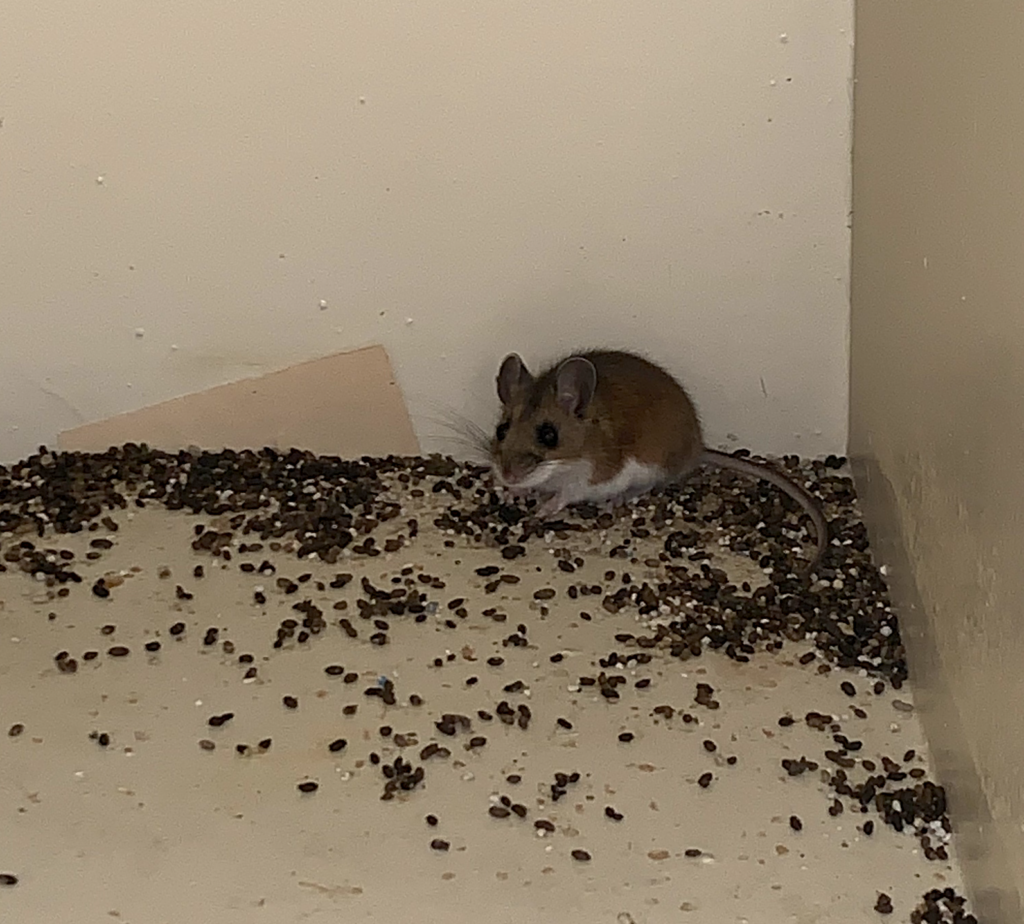
Mice and rats are commonly found in urban environments, often making their homes in and around buildings. They can easily adapt to their surroundings and may use attics and other structures for nesting
Breeding
When Do Mice and Rats Mate?
Mice and rats are able to mate year-round, with females typically giving birth every 20-30 days after mating. Males will often compete for females by fighting or marking their territory with urine.
When Do Mice and Rats Have Babies?
Mice and rats can have multiple litters throughout the year, with the breeding season typically lasting from spring to fall. In favorable conditions, they may reproduce year-round. Mice and rats have multiple babies per litter.
Litter size: Female mice can have litters ranging from 1 to 14 offspring, while female rats can have litters ranging from 6 to 12 offspring.
Rearing: The newborns are born naked and blind, and are cared for by their mother until they are weaned at around 3-5 weeks old. They become sexually mature at around 6-8 weeks old.
Food And Feeding
Frequency: Mice and rats are active mostly at night and will feed several times a day. They can survive for a few days without food and water.
Time of day: Mostly active at night, but may also come out during the day if food is scarce or if they feel safe.
Diet: Mice and rats are omnivores and will eat almost anything, including seeds, fruits, grains, insects, and even small animals. They may also scavenge for food in garbage and compost bins.
Morphology And Lifestyle
Body length: Mice are typically 3-4 inches long, while rats can be up to 9-11 inches long (not including the tail).
Tail length: Mice have tails that are as long as their body or slightly shorter, while rat tails are longer than their body.
Weight: Mice weigh between 0.5-1 oz, while rats can weigh up to 1 lb or more.
Habitat: Mice and rats can live above ground, but they also spend a lot of time on the ground and in burrows.
Call: Mice and rats make high-pitched squeaks and chirps, and may also gnaw or scratch to communicate.
Lifespan: Mice typically live up to 2 years in the wild, while rats can live up to 3 years or more.
Did You Know?
Mouse and rat fact: Mice and rats have teeth that grow continuously, so they need to gnaw on hard materials to wear them down.
Mouse and rat fact: Rats are excellent swimmers and can hold their breath for up to three minutes.
Mouse and rat fact: Mice and rats are social animals and will often live in large groups or colonies.
Mouse and rat fact: Both mice and rats are very adaptable and can thrive in a variety of environments, including urban areas.
Mice & Rat Problems
Property Damage
- Mice/rats can cause damage to structures by gnawing on wood, wires, and make tunnels in insulation.
- They can create nests in walls, attics, and crawl spaces, which can lead to damage from urine and feces accumulation.
- The presence of mice/rats can cause unpleasant odours and stains from their urine and droppings.
- They can also damage property by chewing through bags and containers of food and other materials inside the home.
Health And Safety Risks
Mice/rats can carry and transmit diseases to humans, including salmonella, hantavirus, and leptospirosis.
Their urine and feces can contaminate food and water sources, leading to potential health risks for humans and pets.
Mice/rat infestations can cause respiratory problems, especially for people with allergies or asthma.
Mice/rat infestations can cause respiratory problems, especially for people with allergies or asthma.
Mice & Rat FAQs
How Do I Know If I Have Mice Or Rats In My House?
Here are some signs that you may have mice or rats in your house::
- Droppings: Mouse droppings are small and pellet-shaped, while rat droppings are larger and oblong. Look for droppings in areas where food is stored or near nesting sites.
- Nests: Mice and rats may build nests using shredded paper, insulation, and other materials in hidden areas such as attics, basements, and wall voids.
- Sounds: Listen for scratching or localized noises coming from the attic or from inside the walls, particularly at night when mice and rats are most active.
- Odours: Mouse and rat urine has a distinctive smell that can be strong and unpleasant, particularly in areas where they are nesting.
Why Do I Mostly Hear Mice/Rat Activity At Night?
Mice and rats are primarily nocturnal animals, meaning they are most active at night. This behaviour is due to their natural instincts to avoid predators and to forage for food in the safety of darkness. Mice and rats have excellent senses of smell, hearing, and touch, which they use to navigate and locate food in the dark. However, they can also be active during the day, especially if they feel safe and secure in their environment. If you suspect a mouse or rat infestation in your home, it is important to look for signs of activity both during the day and at night to get a better idea of the extent of the problem.
I Found Some Droppings Inside My House, How Can I Tell If It’s Mice Or Rats?
If you have found droppings inside your house, it is important to identify the type of pest responsible to determine the best course of action for control. Here are some tips to help you tell whether the droppings are from mice or rats:
- Mouse droppings are small and measure about 1/8 to 1/4 inch in length, while rat droppings are larger, measuring about 1/2 to 3/4 inch in length.
- Mouse droppings are shaped like small, dark pellets, while rat droppings are more oblong in shape and typically have blunt ends.
- Mouse droppings are scattered and may be found in groups, while rat droppings are usually found in small clusters.