
Raccoon Baby Season Has Officially Begun in Toronto
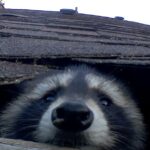
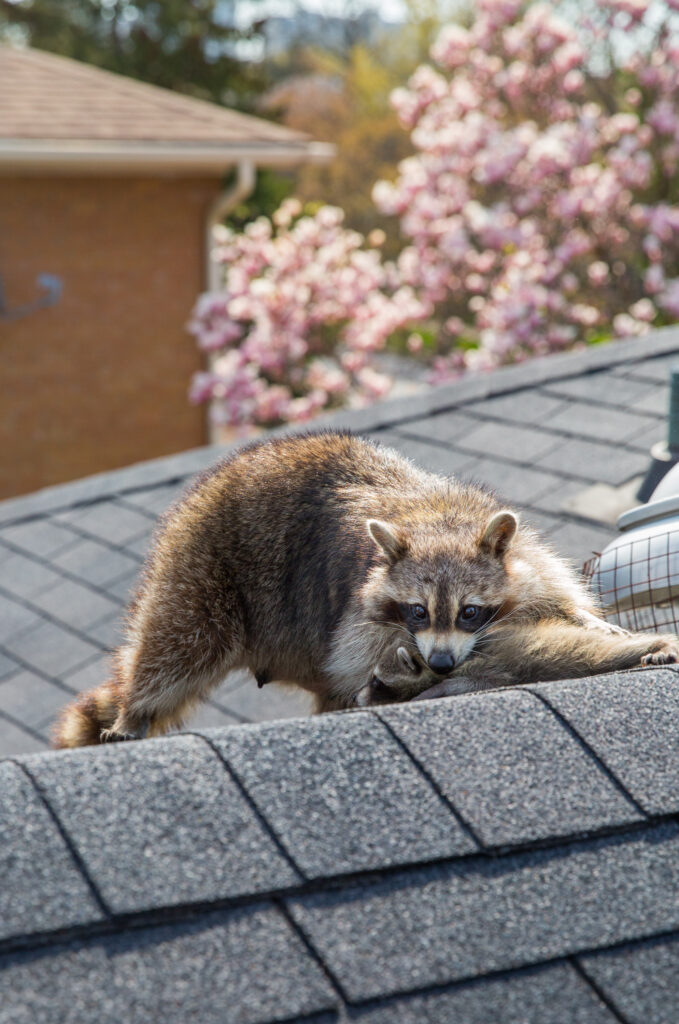
We were notified that baby raccoons were discovered last week (the week of February 16th) right here in Toronto, ON, signalling the start of raccoon baby season. Each year, as winter begins to fade, raccoons search for warm, protected places to give birth and attics, soffits, chimneys, and wall cavities are some of their favourite nesting spots.
This means more wildlife activity in residential neighbourhoods, and a sharp increase in calls from homeowners hearing strange noises overhead. If you’ve noticed scratching, thumping, or crying sounds in your attic, there is a strong chance babies are already present or on the way.
When Are Baby Raccoons Born?
In Southern Ontario, raccoon mating season typically runs from December to early March, with babies arriving from mid-February through May.
Because of this, March through early summer is the busiest time of year for attic wildlife intrusions.
Why Do Raccoons Choose Attics?
Female raccoons seek out quiet, warm, dry, and elevated locations to safely raise their young. Your attic provides:
- Warmth
- Protection from predators
- Shelter from harsh weather
- A quiet, undisturbed space
Even the smallest roof gap, soffit weakness, or plastic vent cover can provide enough access for a determined mother raccoon.
How to Tell if You Have Babies in Your Attic: The Warning Signs of a Wildlife Intrusion
If you start to hear noises coming from your attic, it’s possible that you have animals living there. But how can you tell if the noises you’re hearing are coming from adult animals, or from babies? And what should you do if you suspect that you have babies in your attic?
1. Crying, Chirping, or Whining Sounds
One of the most common signs of babies in your attic is the sound of crying or chirping. These noises are typically made by baby raccoons when they are hungry, cold, or distressed.
These high-pitched sounds may be heard:
- From inside the attic
- Through bedroom ceilings
- Even outside the home if insulation is minimal
If you hear persistent crying sounds, babies are very likely present.
2. Increased Noises and Activity
Another indication of babies in your attic is an increase in overall activity. Once babies are born, the mother raccoon becomes much more active as she leaves and returns frequently to feed them.
You may hear:
- More frequent movement
- Louder thumping
- Scratching in different areas of the attic
- Sounds during both day and night
3. Visible Signs Inside Your Home
In some cases, you may notice physical evidence of wildlife presence, including:
- Staining on ceilings or walls
- Strong odours from urine or droppings
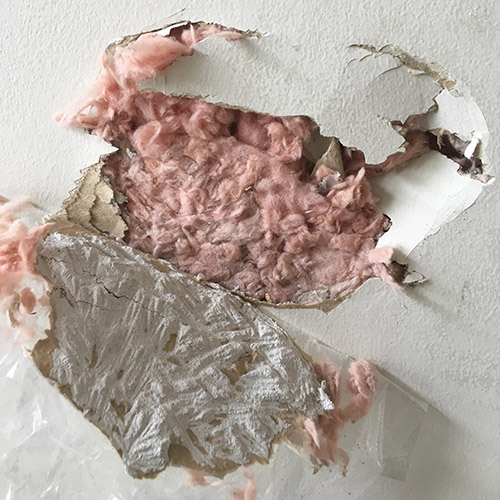
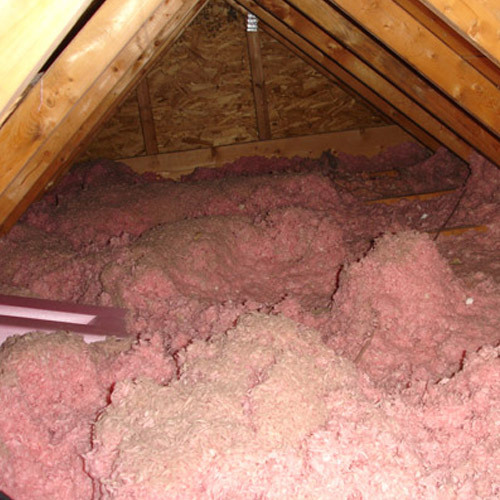
- Damage to insulation
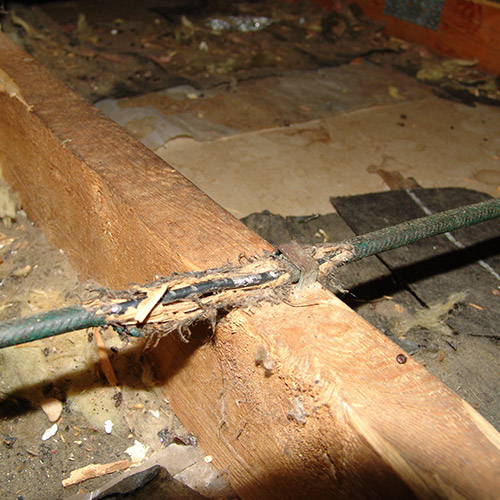
- Chewed wiring or wood
- Debris falling from attic access points
These signs often mean the nesting has been active for some time.
Why Early Detection Is So Important
Once babies arrive, removal becomes more complicated, time-sensitive, and costly. Wildlife professionals must ensure that:
- Babies are not separated from their mother
- Removal is performed humanely and legally
- Entry points are properly sealed to prevent re-entry
If left unresolved, raccoon families can cause:
- Structural damage
- Insulation contamination
- Fire hazards from chewed wiring
- Health risks from bacteria and parasites
The Dangers of DIY Wildlife Removal During Baby Season: Why You Need a Professional
When it comes to dealing with animals in your attic, it’s important to take action as soon as possible. But what’s the safest and most effective way to handle the situation? Should you attempt to remove the animals yourself, or call in a professional?
When it comes to wildlife removal, especially during baby season, DIY methods can be dangerous, ineffective, and even illegal. Here’s why this is a job best left to trained professionals:
1. DIY Methods Can Harm the Animals
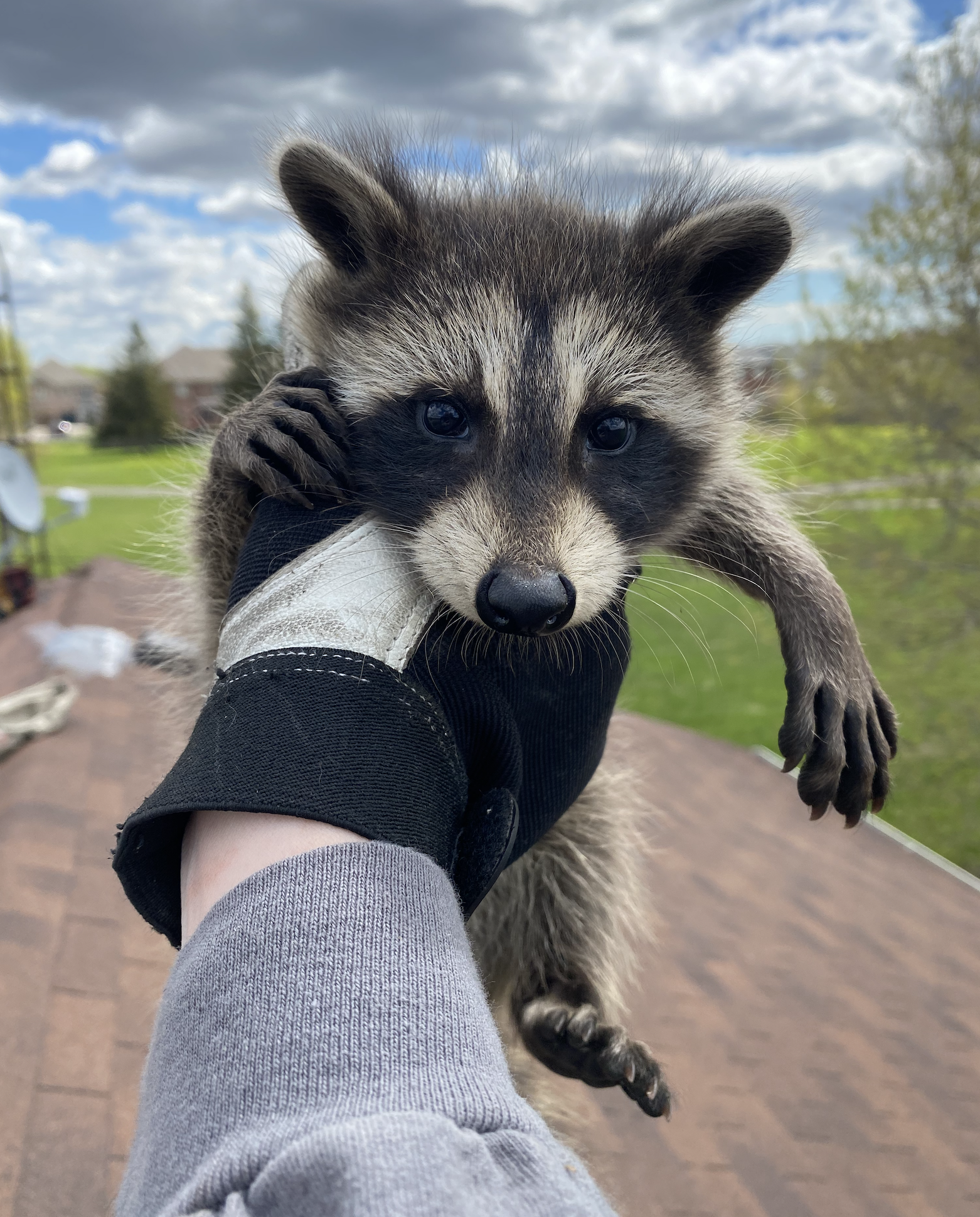
Baby raccoons are extremely vulnerable. Attempting to remove them without proper training, equipment, and knowledge can cause injury, separation from their mother, or death.
A professional wildlife removal service uses humane, proven techniques that prioritize the safety and well-being of both the animals and your home, ensuring that mothers and babies are reunited and relocated safely.
2. DIY Methods Are Often Ineffective
There is no one-size-fits-all approach to wildlife removal. Every home, roof structure, and situation is different. DIY solutions often lead to:
- Incomplete removal
- Animals returning
- Trapped babies left behind
- Increased damage
Professionals properly assess your home, identify all entry points, and implement permanent solutions to ensure animals are removed safely and do not return.
3. DIY Methods Can Be Dangerous for Homeowners
Attics are confined, dusty, and difficult to navigate. Add aggressive protective mothers, sharp nails, contaminated insulation, and unstable footing and you have a very real safety risk.
Professional wildlife technicians are trained, insured, and equipped with protective gear and safety tools to complete removals safely, without putting homeowners at risk.
What To Do If You Suspect Baby Raccoons in Your Attic
If you think you may have baby raccoons in your attic, do not attempt to remove them yourself. Handling wildlife, especially mothers with babies, can be dangerous and is often restricted under wildlife protection regulations.
Instead, contact a professional wildlife removal service experienced in humane baby season procedures. Experts have the training, equipment, and knowledge to:
- Safely remove mother and babies
- Repair damage
- Seal entry points
- Prevent future intrusions
Protect Your Home During Raccoon Baby Season
With baby raccoons now being discovered in Toronto, this is the perfect time to inspect your home for vulnerabilities and address any unusual sounds immediately.
At Gates Wildlife Control, we specialize in safe, humane wildlife removal and permanent prevention solutions. With over 40 years in business, our team is here to help keep your home secure during baby season and beyond.
📞 Contact us today if you’re hearing noises in your attic – early action saves time, money, and stress.