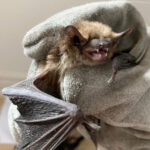


At the end of last week, during an unseasonably mild stretch of weather, our team at Gates Wildlife received a noticeable increase in calls from homeowners who had discovered bats inside the living spaces of their homes. These encounters can be surprising and unsettling, especially in winter, but they are a well-understood seasonal occurrence linked to fluctuating temperatures.
Understanding why this happens can help homeowners know what to do next and why professional help is important.
How Bats Survive Winter
During cold weather, bats enter a state called torpor. This is a form of deep sleep that allows them to survive winter by dramatically slowing their metabolism.
To remain safely in torpor, bats need:
- Quiet, undisturbed spaces
- Protection from predators
- A stable internal temperature between 2–7°C
In urban areas, these conditions can be found in:
- Attics
- Wall cavities
- Spaces between floors
Older homes or homes with small gaps around rooflines, vents, or siding are especially likely to provide these spaces, even unintentionally.
What Happens During a Mild Winter Spell
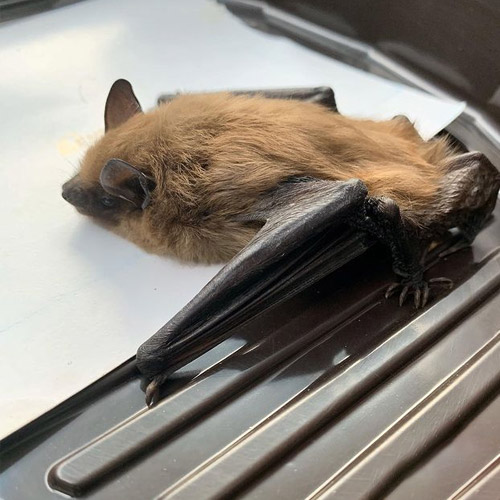
When winter temperatures temporarily rise, even for a few days, bats can wake from torpor. Their bodies sense the change and instinctively try to relocate to a colder, more stable environment so they can return to torpor.
The problem is that during mild spells:
- Outdoor temperatures are often too warm
- The ideal torpor temperature is hard to find
- Bats begin moving through wall cavities searching for suitable conditions
During this movement, bats can accidentally enter the living space of a home.
Where Bats Are Usually Found Inside Homes
When bats enter the living space during winter, they are most commonly found in specific areas of the home.
Homeowners typically discover bats:
- In the basement, often emerging through a vent or an unfinished ceiling in a furnace or utility room
- In areas with exposed ductwork or mechanical openings
- Upstairs or in bedrooms at night, because bats naturally fly upward while trying to escape
These encounters can be surprising, but it’s important to understand that bats are not aggressive. They are disoriented and simply trying to survive.
Why Winter Bat Encounters Require Special Care
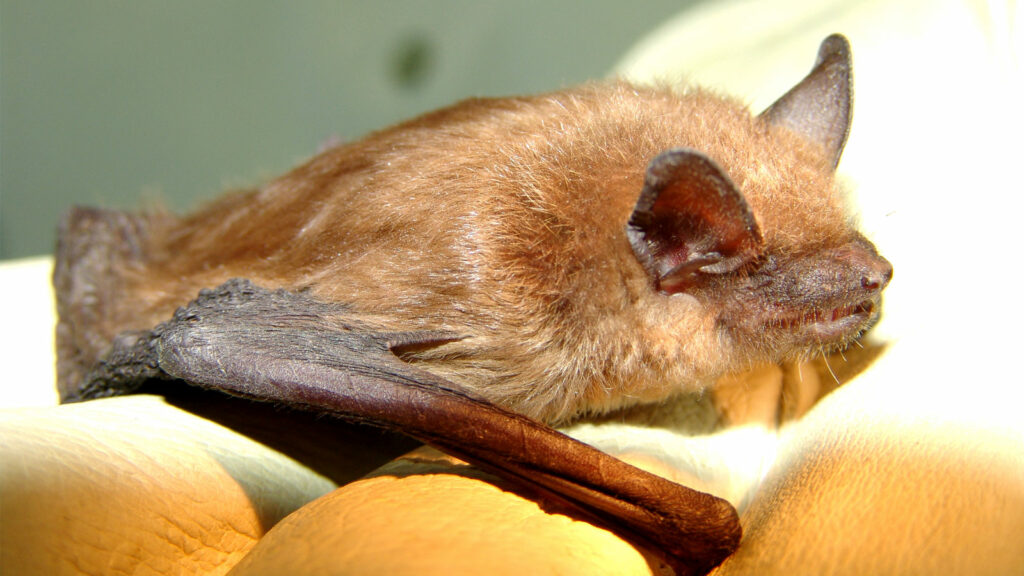
In Ontario, bats are protected and endangered species, which makes winter encounters especially sensitive.
Important things homeowners should know:
- Bats must not be released outdoors during winter, as this would almost certainly result in death
- Bats found inside during winter need to be transferred to a licensed wildlife rehabilitation centre
- If there is any chance you or a family member was bitten, public health should be contacted and the bat tested for rabies
- Bat bites can be very small and difficult to see, so if you were asleep and find a bat in your room, testing is strongly recommended
- Improper handling can harm the bat and put people at risk
Because of these factors, professional, humane removal is essential.
How Gates Wildlife Helps
When homeowners call Gates Wildlife, our goal is to manage the situation humanely and responsibly.
Our approach includes:
- Safely containing and removing the bat without harm
- Ensuring the bat remains protected during the winter season
- Coordinating appropriate next steps when rehabilitation is required
- Identifying entry points to prevent future incidents
- Keeping both the household and the bat safe
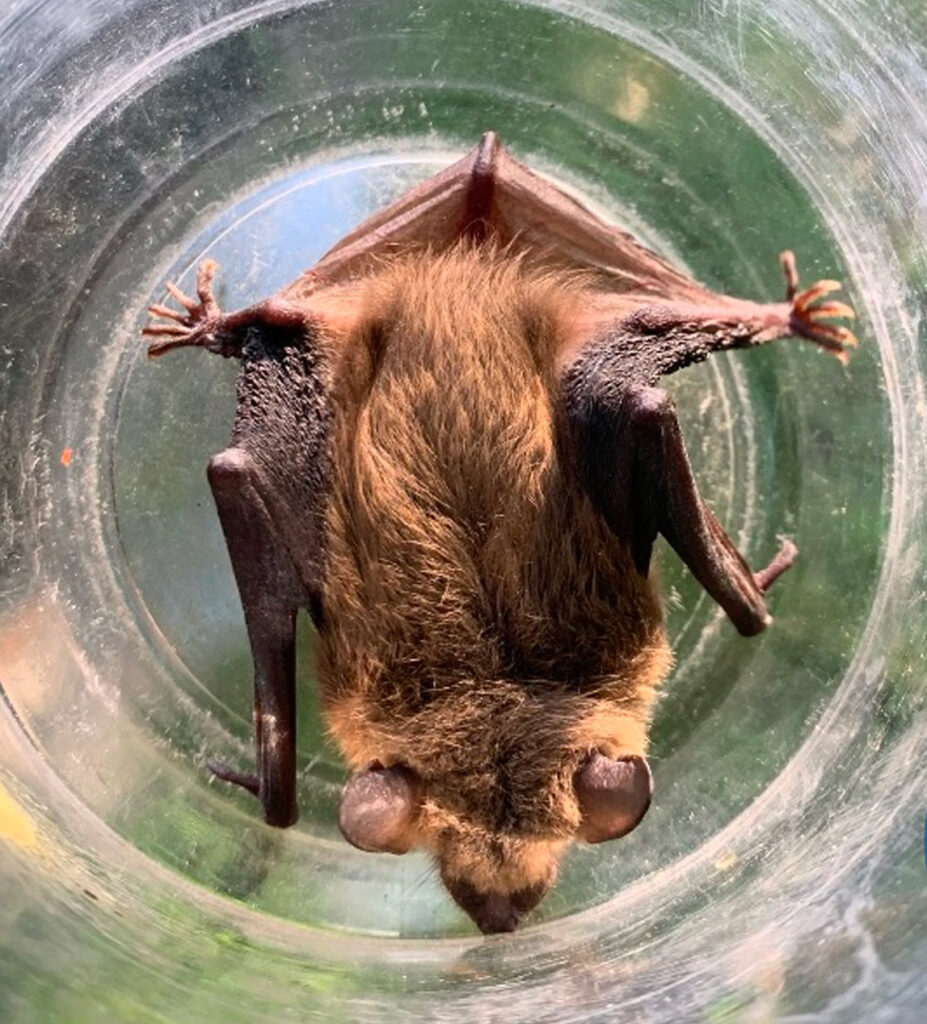
What to Do If You Find a Bat in Your Home
Winter bat calls are more common than many people realize, especially during fluctuating temperatures. If you encounter a bat inside your home during winter:
- Do not attempt to move or release it yourself
- Avoid direct contact
- Contact Gates Wildlife as soon as possible / public health if a bite is suspected
Professional assistance ensures the bat is handled humanely, legal requirements are followed, and your home is properly protected. It is the safest outcome for everyone involved, including the bat.
Gates Customer Care
1 (877) 750-9453 / (416) 750-9453
info@gateswildlifecontrol.com