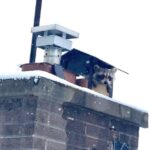

Protect your home now before damage occurs and baby season begins. When temperatures drop, raccoons, squirrels, and other urban wildlife begin searching for warm, sheltered places to ride out the winter. Unfortunately, the warmest and safest place they find is often your chimney, attic, or between your walls.
Even if you don’t hear noises yet, fall and winter is when animals start testing weak points, chewing at shingles and vents, and looking for vulnerable areas on your home.
Winter wildlife activity is quieter but the damage definitely isn’t any less.
Waiting It Out Can Lead to Bigger (and Expensive) Problems
Many homeowners hope winter visitors will “leave on their own,” but wildlife doesn’t abandon a warm, protected spot without a reason. If anything, they plan to raise their family there in the Spring.
Here’s what can happen if you wait:
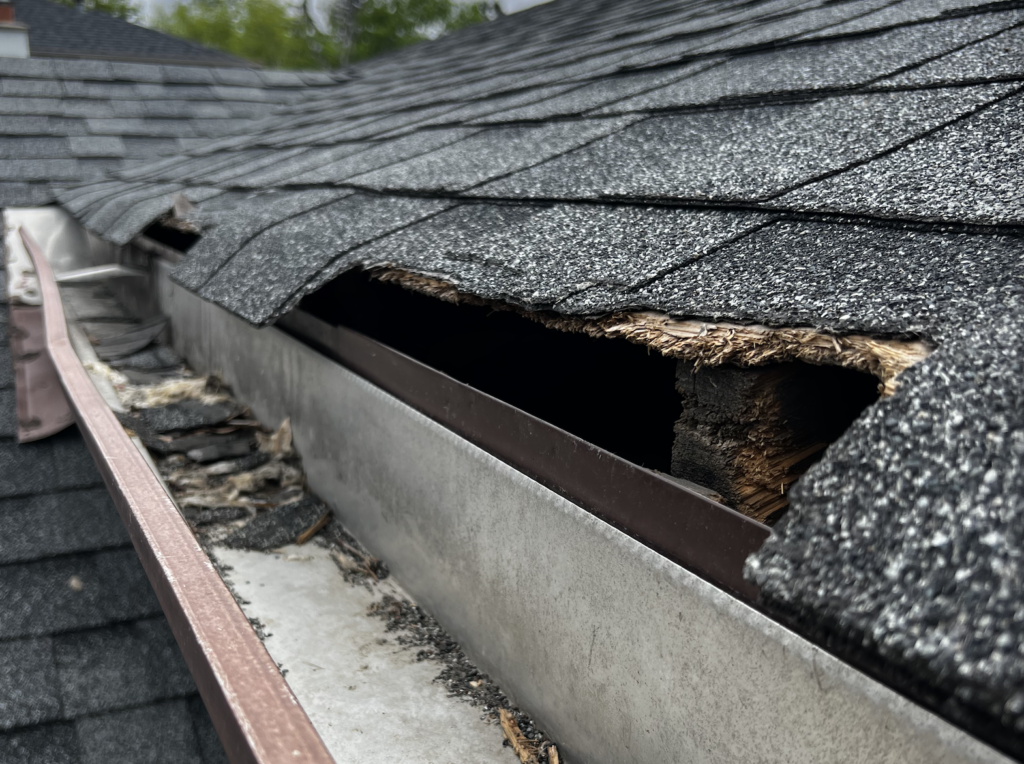
1. Roof and Soffit Damage
Wildlife will tear shingles, pry open soffits, chew rooflines, and widen any gap they can fit through. Even minor winter chewing can create pathways straight into the attic. Rain and snow could enter the attic for the duration of the winter if you were to wait.
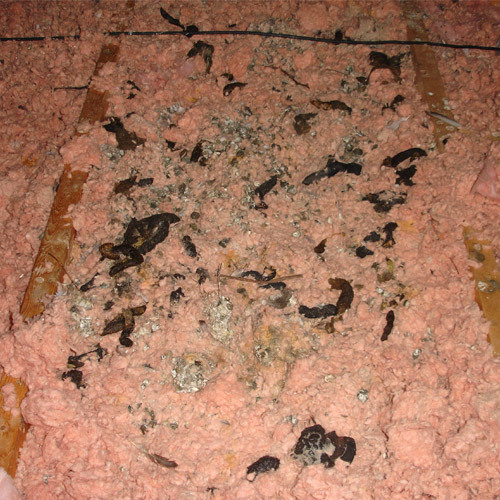
2. Attic Contamination
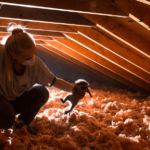
Once inside, animals chew on wires and wood, destroy insulation and leave droppings – all of which contaminate insulation and lower your home’s energy efficiency.
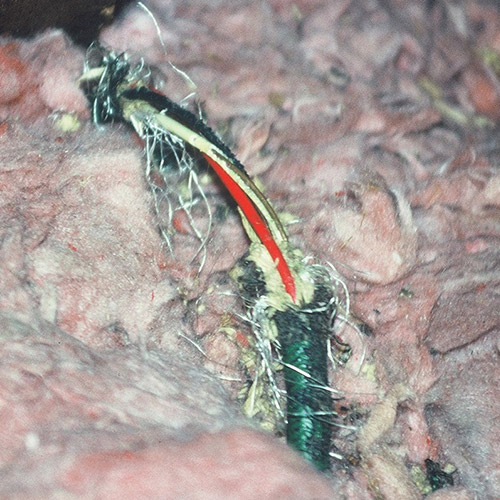
3. Electrical and Fire Risks
Squirrels especially are notorious for chewing wiring. Even a small spot of exposed wire can lead to costly repairs or, in worst cases, a fire hazard.
4. Higher Energy Bills
By spring, insulation that’s been packed down by winter wildlife is less effective at keeping your home warm in cooler months or cool in Spring and Summer. This can lead to higher energy bills, more extensive repairs, and additional cleanup. Everything becomes more involved and more expensive if you wait to address the problem.
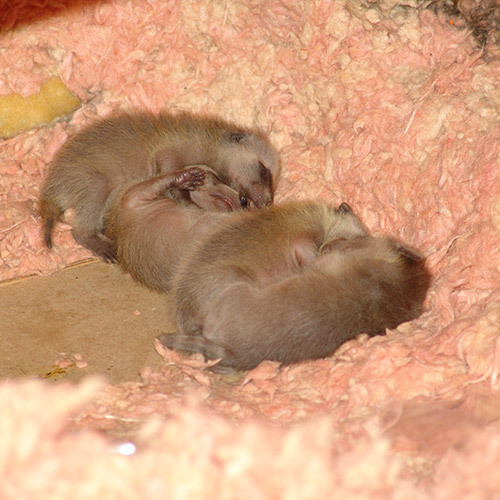
Baby Season Begins as Early as March and That Changes Everything
Early Spring marks the start of wildlife baby season:
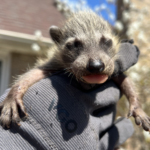
- Raccoon kits typically arrive March–June
- Squirrels often have their first litter in March
- Many species are already pregnant during late winter
If wildlife is already inside your attic in spring, you may now have:
A full nest with newborns.
Babies won’t move out on their own. Every removal becomes more delicate, sometimes takes longer, and requires specialized techniques. We use a Gates Wildlife invention, the heated reunion box, which ensures that mother raccoons and their babies are safely reunited after removal. By giving the young a warm, secure space outside the home, we allow mothers to relocate their families naturally. This innovation set a new standard of compassion in wildlife control.
Higher repair and cleanup costs.
More bodies = more mess, more contamination, more time inside the home.
Potential of animals returning.
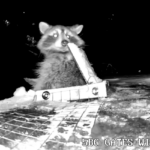
Female offspring often revisit the same den site later in life. At Gates Wildlife we use a one-way door, invented by Brad Gates, which revolutionized the wildlife control industry. This simple yet ingenious device allows animals to exit a home but prevents them from getting back inside. No cages, no traps, just a safe and effective way to resolve conflicts without harm.
Winter is your window to prevent all of this.
Why Winter Is the Best Time to Take Action
✔ No babies present – wildlife hasn’t given birth yet and won’t until March
✔ Easier identification of entry points – snow, frost, and heat loss reveal exactly where animals are getting in
✔ Less damage to repair – the earlier the removal, the less structural destruction
✔ Prevents a spring explosion of activity – once babies are born they will interrupt your sleep
Taking action now protects both your home and local wildlife.
Humane Removal, Real Protection
At Gates Wildlife, winter wildlife removal focuses on:
- Safe, humane techniques that encourage wildlife to relocate their babies on their own ensuring the family unit stays together.
- Preventing re-entry with permanent, professional-grade solutions
- Repairing and securing vulnerable roof and soffit areas
- Protecting your insulation, wiring, and roof
- Ensuring your home is baby-season ready
Our approach isn’t about reacting, it’s about preventing a much bigger problem.
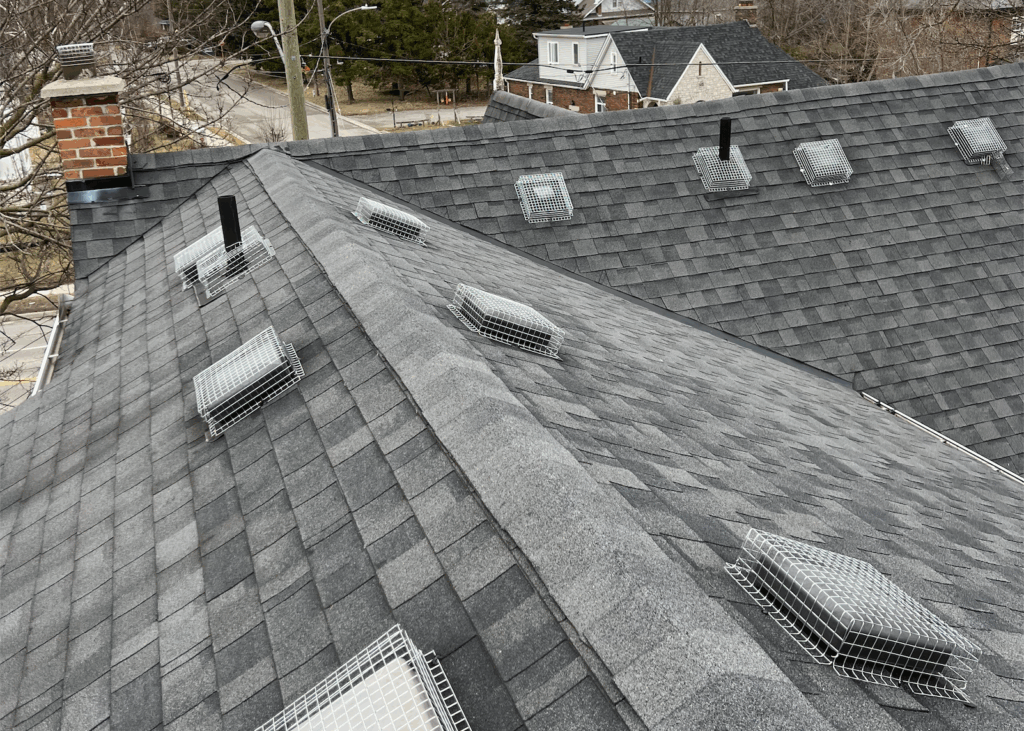
Final Thoughts: Winter Is Your Chance to Get Ahead
The biggest wildlife issues of the year begin quietly in winter until babies are born in the Spring.
Acting now means:
- Less damage
- Lower costs
- No sleepless nights
- A secure home heading into spring
If wildlife is scratching, chewing, nesting, or simply lingering around your roofline, winter is the time to deal with it safely, humanely, and permanently.