

As winter settles in, many homeowners notice less wildlife activity and wonder what’s happening with raccoons. While bears hibernate for months, raccoons behave differently. In this post, we’ll explain what torpor is, why raccoons enter this state, and what it means for your home this winter.
What is Torpor?
Torpor is a short-term, energy-saving state where an animal’s body temperature, heart rate, and activity level drop. Unlike true hibernation, which lasts for months, raccoons in torpor may remain inactive for days or weeks but will wake up periodically during warmer stretches of weather.
This adaptation allows raccoons to conserve energy when food is scarce and temperatures are low.
Why Raccoons Enter Torpor
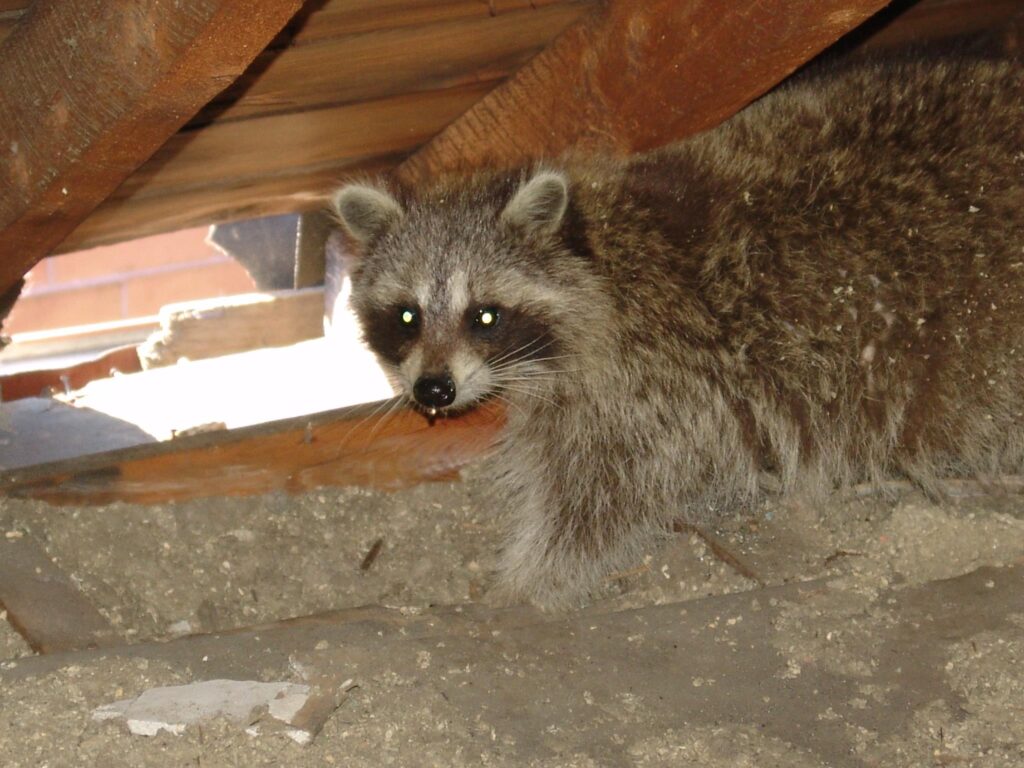
Raccoons rely on stored body fat to survive the winter. When the weather is harsh and food is limited, torpor helps them reduce energy expenditure. By staying tucked away in their dens, raccoons avoid unnecessary exposure to the cold while waiting for opportunities to forage.
This behaviour explains why raccoons are often most active in late fall, they are building fat reserves to prepare for winter survival.
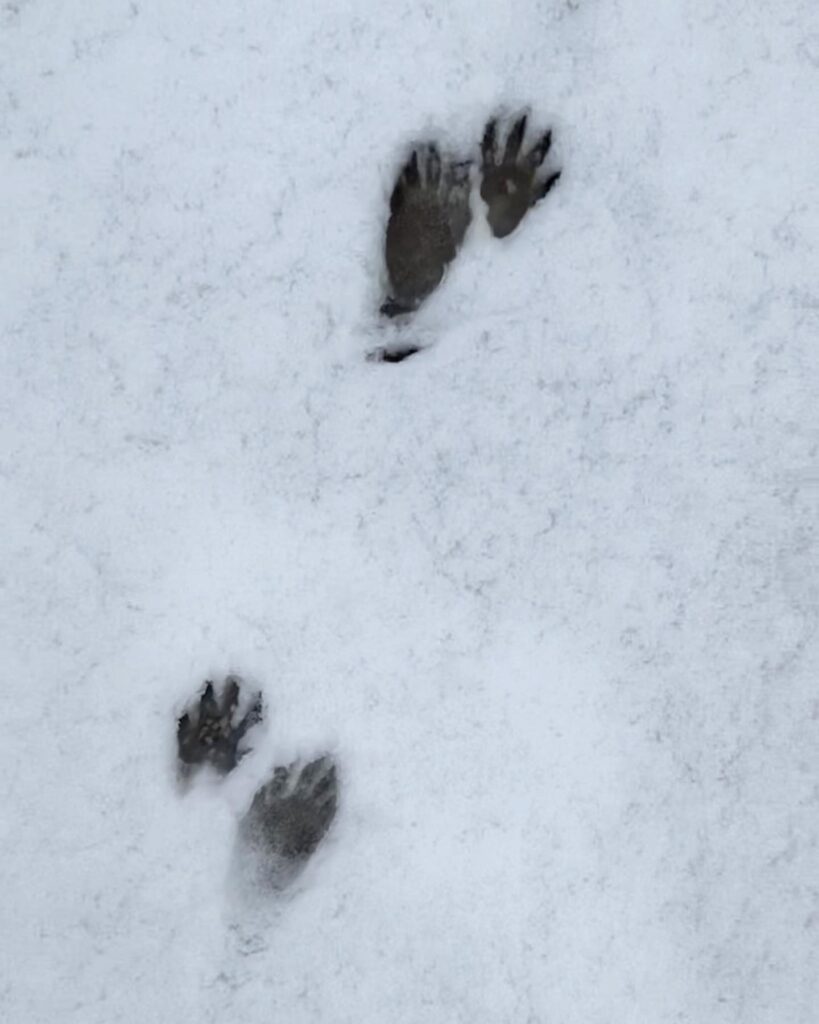
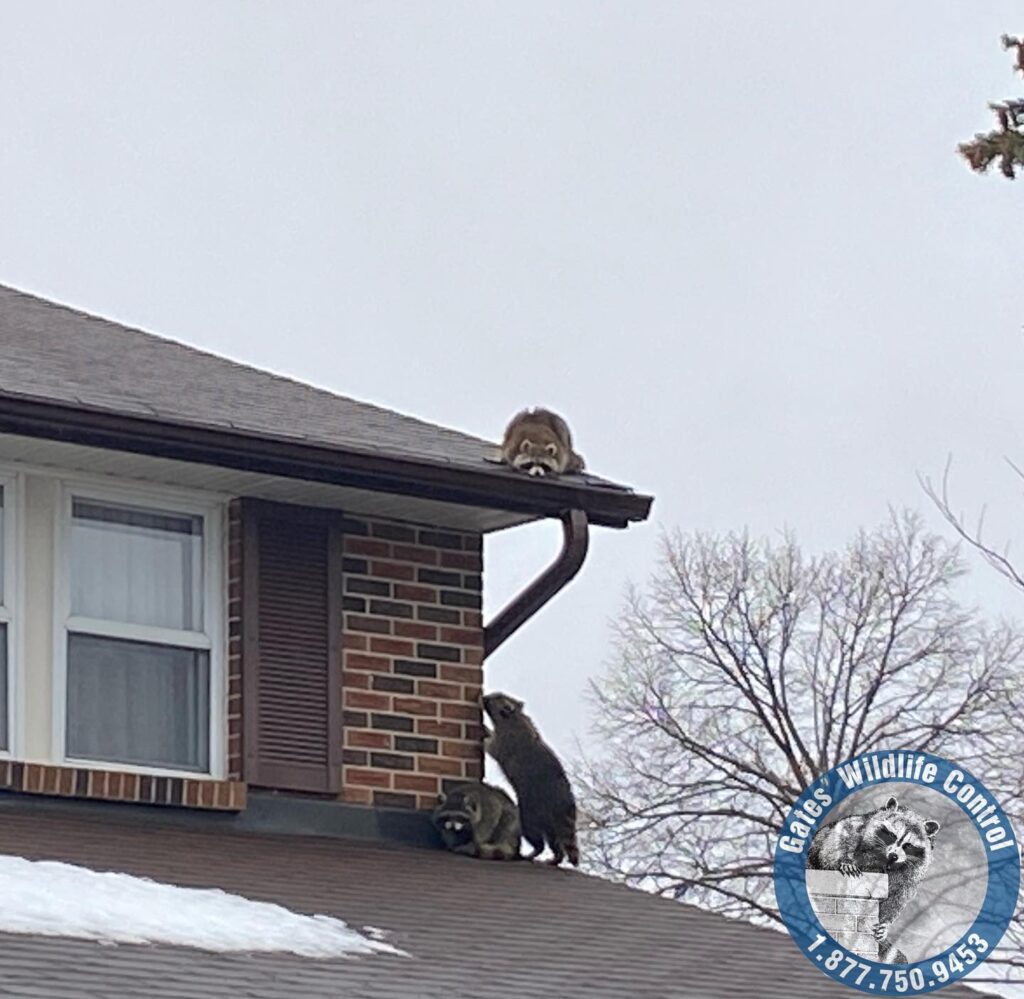
Torpor vs. Hibernation: The Key Differences
Raccoons are not true hibernators. Here’s how torpor differs from hibernation:
- Raccoons wake up periodically, whereas hibernating bears remain dormant for months.
- They may leave their dens to drink water or forage during milder winter days.
- Raccoons remain alert and responsive to threats, unlike animals in deep hibernation.
Understanding these differences is important for homeowners dealing with winter wildlife activity.
What This Means for Your Home
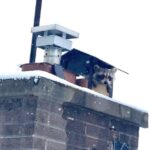
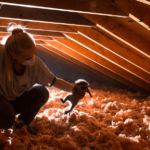
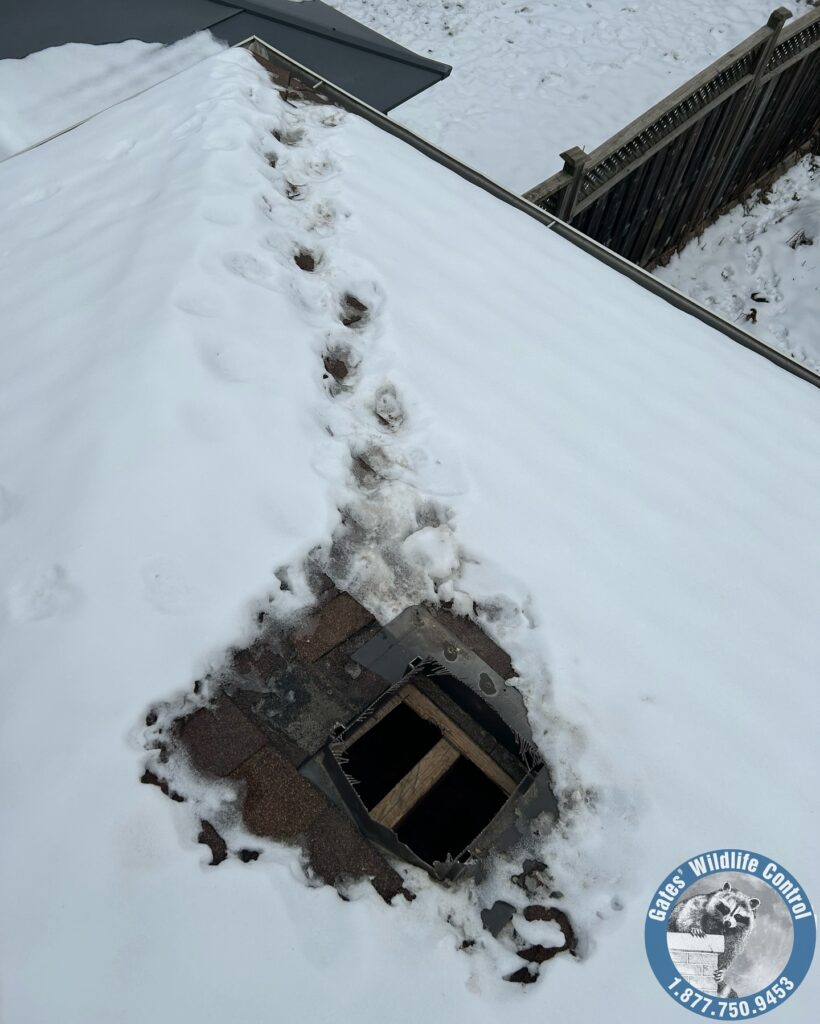
If you hear less activity in your attic during winter, it doesn’t mean the raccoons have left. A raccoon may have entered torpor and will become active again during a mild stretch of weather. Winter wildlife noise is often intermittent for this reason.
Knowing this can help homeowners plan humane and effective wildlife control in the winter. It also reminds us that raccoons are adaptable, intelligent animals navigating urban environments just like us.
Other Wildlife in Winter: Squirrels, Skunks, and More
Raccoons aren’t the only animals adjusting their behaviour in winter. Many other urban wildlife species have their own survival strategies:
- Squirrels: Most squirrels do not hibernate. Instead, they enter short periods of torpor in their nests during extremely cold days. They rely on food caches they’ve stored during the fall to stay nourished and will venture out regularly to eat.
- Skunks: Skunks also go into a light torpor, staying in their dens for several days at a time, especially during prolonged cold snaps. They wake periodically to feed if the weather allows.
- Other small mammals: Animals like opossums or chipmunks use similar strategies, staying hidden and conserving energy while waiting for milder days to forage.
Understanding these behaviours helps homeowners anticipate wildlife activity during winter and plan humane management strategies.
How Gates Wildlife Control Can Help
At Gates Wildlife Control, we specialize in humane raccoon removal, attic inspections, and urban wildlife management. Using proven methods like one-way doors, we protect your home while safeguarding wildlife.
Winter can be a tricky time for wildlife, but understanding raccoon behaviour and acting early ensures your home remains safe and secure without harming the animals.
Stay informed, stay prepared, and give your winter wildlife management the humane approach it deserves.