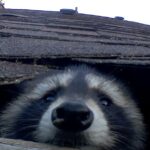


Winter weather plays a powerful role in shaping wildlife behaviour and this year’s prolonged cold, snow, and ice may significantly affect raccoon mating patterns and the timing of baby season. By closely monitoring raccoon activity using Reolink cameras, we’ve been able to document some fascinating changes that highlight just how sensitive these animals are to their environment.
A Typical Winter: How Mating Season Usually Begins
In most years, we experience a December or January thaw. During this brief period, temperatures rise, snow melts, and conditions temporarily become more favourable. This warming trend often acts as a trigger for male raccoons to begin searching for mates.
When mating occurs during these mid-winter thaws, it typically results in early litters, with baby raccoons being born in late February or early March. This pattern is something we see year after year and helps predict when homeowners may begin hearing activity in their attics, chimneys, or walls.
This Year’s Prolonged Cold: A Shift in the Timeline
This winter has been very different. Instead of a brief warm period, we’ve seen consistent snow and ice accumulation well into late February, paired with extended cold temperatures. These harsher conditions may delay mating activity, pushing breeding later into the season.
As a result, we may see:
- Fewer early March litters
- An increase in babies being born in May or June
- In some cases, newborns arriving even later into the summer
This shift could extend the wildlife baby season further than past years.
How Weather Influences Raccoon Behaviour
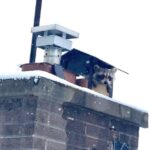
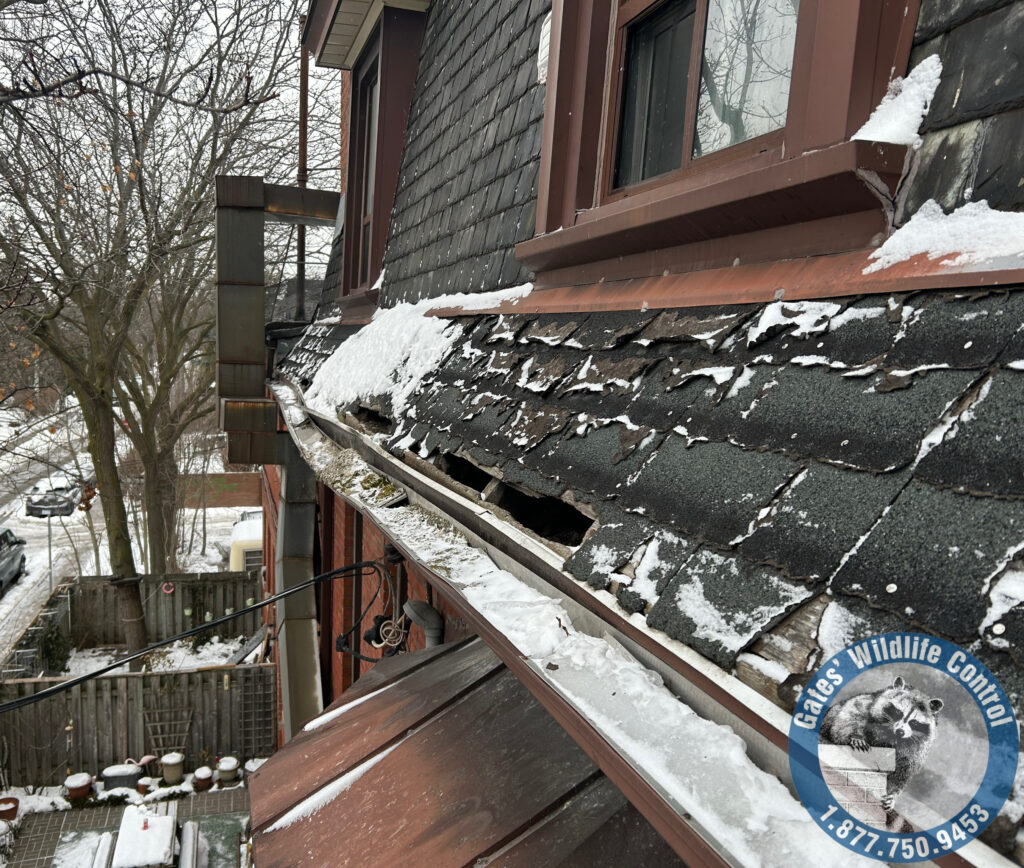
Raccoons are incredibly adaptable, but they are still deeply influenced by environmental conditions. Cold temperatures, deep snow, and ice limit their ability to forage for food and travel safely, leading them to conserve energy by staying sheltered for longer periods.
This winter has clearly demonstrated how extreme or prolonged weather can alter not only movement patterns but also reproductive timing. Observing these behavioural changes provides valuable insight into how wildlife adapts to changing climates.
Surprising Discoveries Using Reolink Cameras
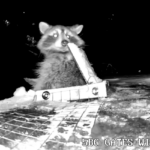
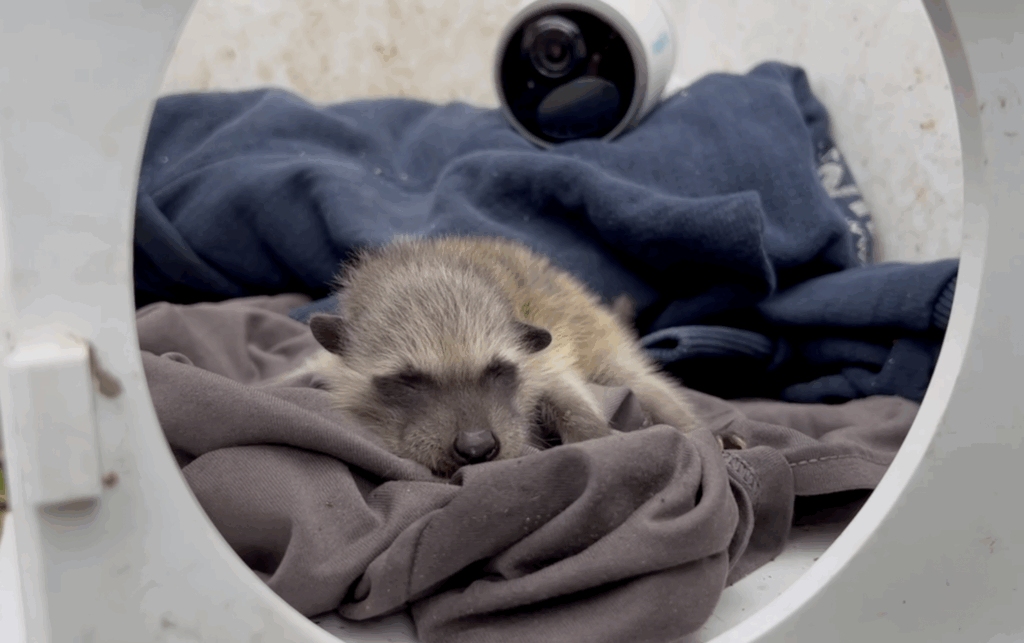
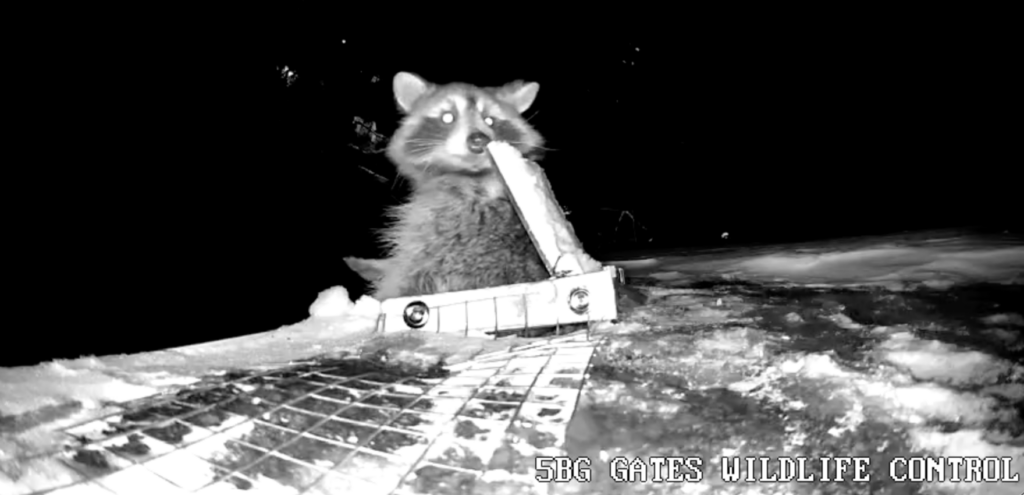
One of the most fascinating aspects of this winter has been what we’ve learned through continuous monitoring using Reolink cameras. These cameras have allowed us to safely and accurately document raccoon activity inside attics over extended periods.
This season, we recorded several remarkable cases, including:
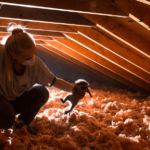
- Raccoons remaining inside attics without exiting for weeks or even months
- One documented case of a raccoon staying inside an attic continuously since November, without leaving
This behaviour strongly suggests that the persistent cold and snow are encouraging raccoons to remain in secure, insulated environments where they can conserve warmth and energy rather than venturing outside for food or mating.
Why This Matters for Homeowners
A delayed mating season can mean extended baby activity into Spring and Summer. Homeowners may notice:
- Continued scratching, movement, and noise.
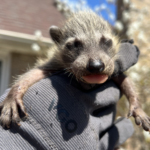
- Higher chances of discovering baby raccoons later in the season
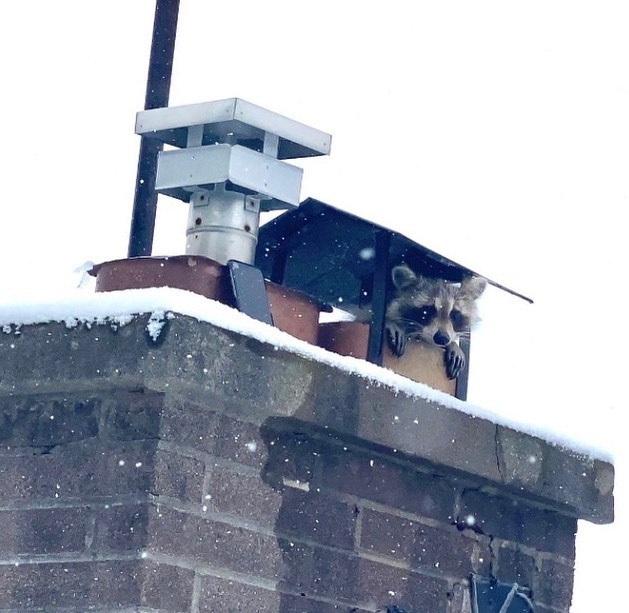
- Risk of structural damage, insulation destruction, and contamination
Understanding these seasonal shifts helps homeowners prepare and respond appropriately, ensuring both humane wildlife management and protection of their property.
Advancing Research and Winter Procedures
The use of Reolink cameras has greatly improved our winter research and procedures. Continuous monitoring allows us to:
- Track behaviour patterns in real time
- Better predict wildlife timelines
- Improve humane and effective removal strategies
- Enhance safety for both animals and technicians
This technology has opened the door to a deeper understanding of how wildlife adapts to climate changes, especially during extreme seasonal conditions.
Final Thoughts
This winter has provided a powerful reminder of how closely wildlife behaviour is tied to environmental changes. With extended cold, snow, and ice delaying raccoon mating activity, we may be facing a longer baby season.
It’s incredibly interesting and valuable to observe how shifts in climate influence animal behaviour. Through careful monitoring and evolving technology, we can continue learning, adapting, and improving our approach to wildlife management in every season.