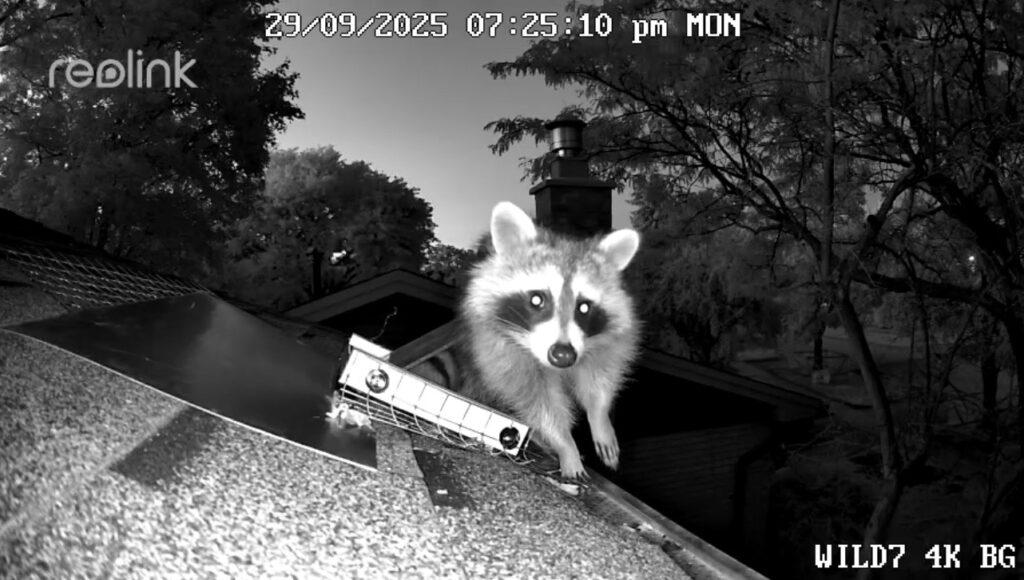


City raccoons are wild animals, not future pets.
A recent CNN article sparked conversation about whether raccoons living in urban areas are evolving in ways that suggest early signs of domestication. According to the article, scientists observed that city raccoons have shorter snouts, a trait sometimes linked to what’s called “domestication syndrome.” The theory is that raccoons who live near humans and scavenge our trash, “trash is really the kick-starter,” as one biologist noted, are under selective pressure to be more tolerant of humans, less aggressive, and potentially even physically different over time.
Brad Gates’ Perspective
While the CNN article presents an intriguing hypothesis, Brad Gates, founder of Gates Wildlife Control, offers a grounded perspective:
“I’m not convinced this is actual domestication.”
Brad emphasizes that prematurely labeling raccoons as domesticating can have serious consequences. From a wildlife-management perspective, it may cause people to see raccoons as pets rather than wild animals, ignoring health risks like rabies and other diseases, as well as ethical concerns regarding the treatment of wild animals.
Even if raccoons are hand-raised by humans, Brad notes, they retain their natural instincts, which are vital for their welfare and survival.
Why “Less Aggressive” Doesn’t Mean Tame
One of the most concerning suggestions in the CNN article is that urban raccoons may be becoming less aggressive. In reality:
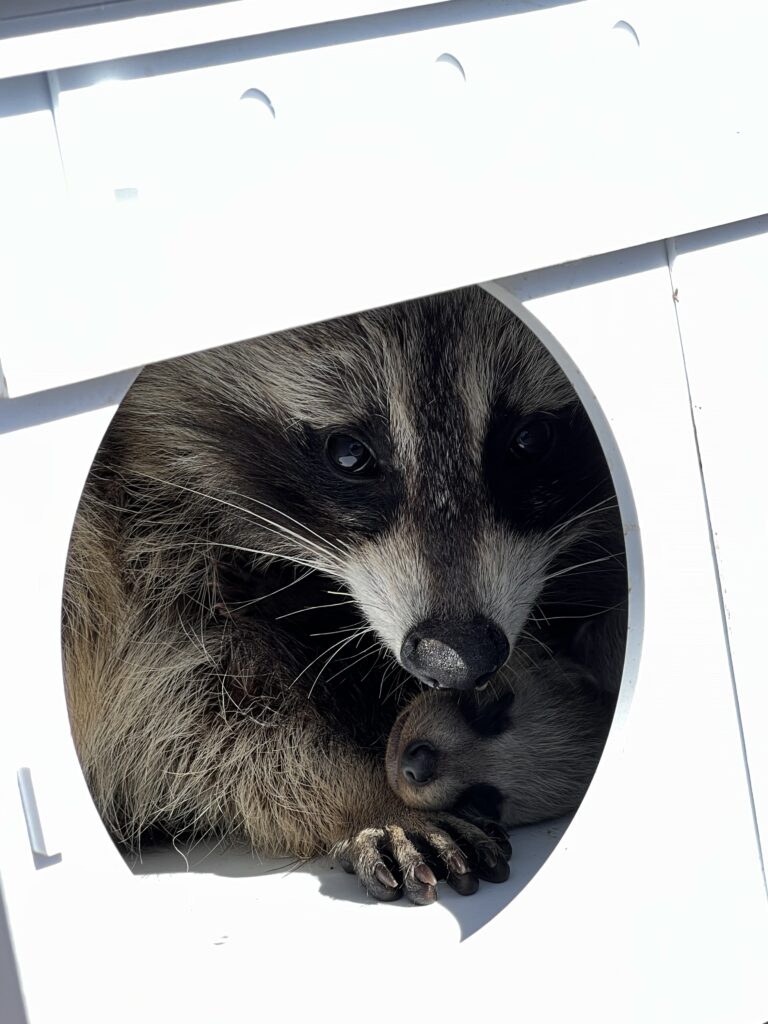
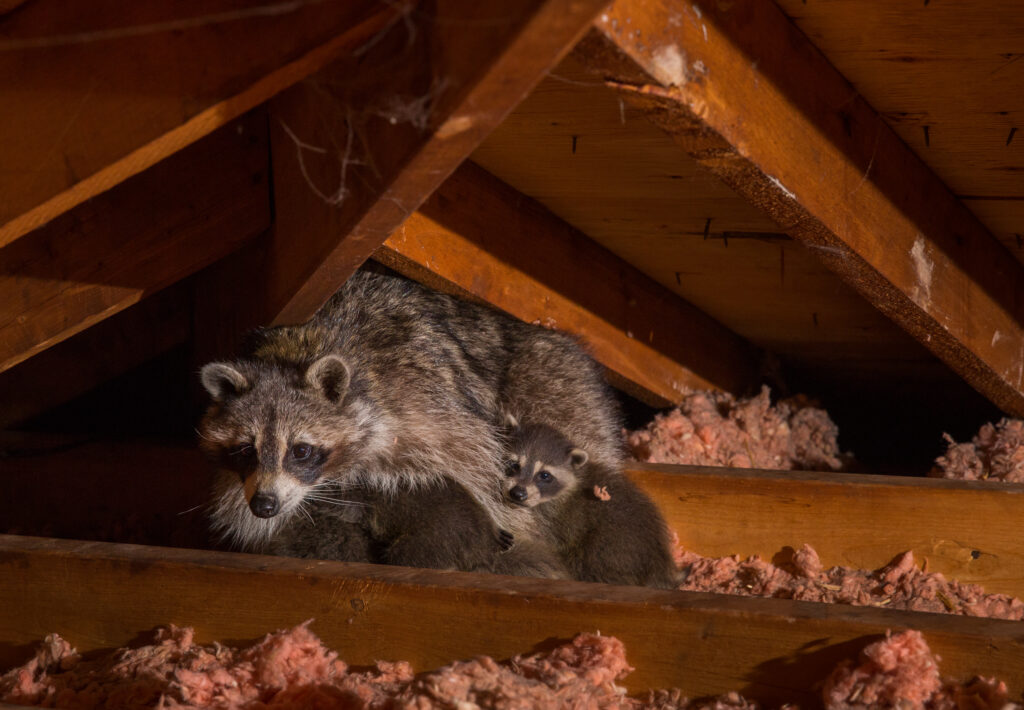
- A mother raccoon protecting her young will always remain maternal.
- Assuming urban raccoons are tame could put people at serious risk.
- In Canada, it is illegal to keep raccoons or other wild animals as pets, due to public health and wildlife protection regulations.
By portraying wildlife as potential pets, people may forget that these animals require space and respect for their safety and comfort. Approaching too closely can result in bites or injury.
Key Points About Raccoon Behaviour
Even “Hand-Raised” Raccoons Return to the Wild
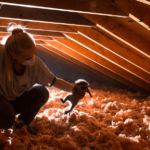
Over 40 years ago, Brad raised orphaned raccoons abandoned by their mother, long before it was illegal to do so. Despite being hand-raised, Brad carefully taught them everything they needed to survive in the wild from foraging to avoiding danger.
Once these raccoons reached adulthood, they naturally returned to their wild instincts, becoming aggressive as they matured. This demonstrates that even intensive early human care cannot turn raccoons into pets.

Social Structure Isn’t Like Dogs or Wolves
Raccoons are social within family units, but they do not live in structured packs or hierarchies like wolves, coyotes, or dogs, animals that have historically been domesticated. Their social behaviour simply isn’t designed for domestication.
Physical Changes Don’t Equal Domestication
Researchers have noted that urban raccoons may have slightly shorter snouts than their rural counterparts. However, physical differences alone don’t indicate domestication. These changes could result from:
- Urban adaptation
- Diet differences
- Environmental pressures
- Genetic variation
Raccoons may mate with males who naturally have shorter snouts, and city raccoon babies often look very different, another sign of natural variation rather than domestication.
The Bottom Line
Urban raccoons are clever, adaptable, and thriving alongside humans, but they are still wild animals.
Respect their space, enjoy observing them, and remember: they are not pets. Treat them with care, and let them continue to live and thrive as the wild creatures they are.