In recent years, drones have become increasingly popular tools for inspecting homes and roofs. While they can be useful in certain contexts, they’re not a substitute for the expertise and attention to detail that a trained wildlife removal specialist provides.
At Gates Wildlife Control, we’ve been called to countless homes where drones were used to “inspect” for wildlife entry points and far too often, homeowners were left misled. We’ve seen drones identify “holes” that didn’t exist, while completely missing the real openings animals were using to get inside.
Before You Book a Drone Inspection: What Drones Can’t See When It Comes to Wildlife Control
When Technology Misses What Matters
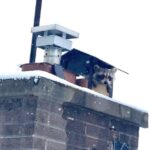
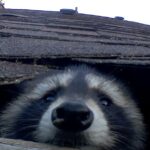
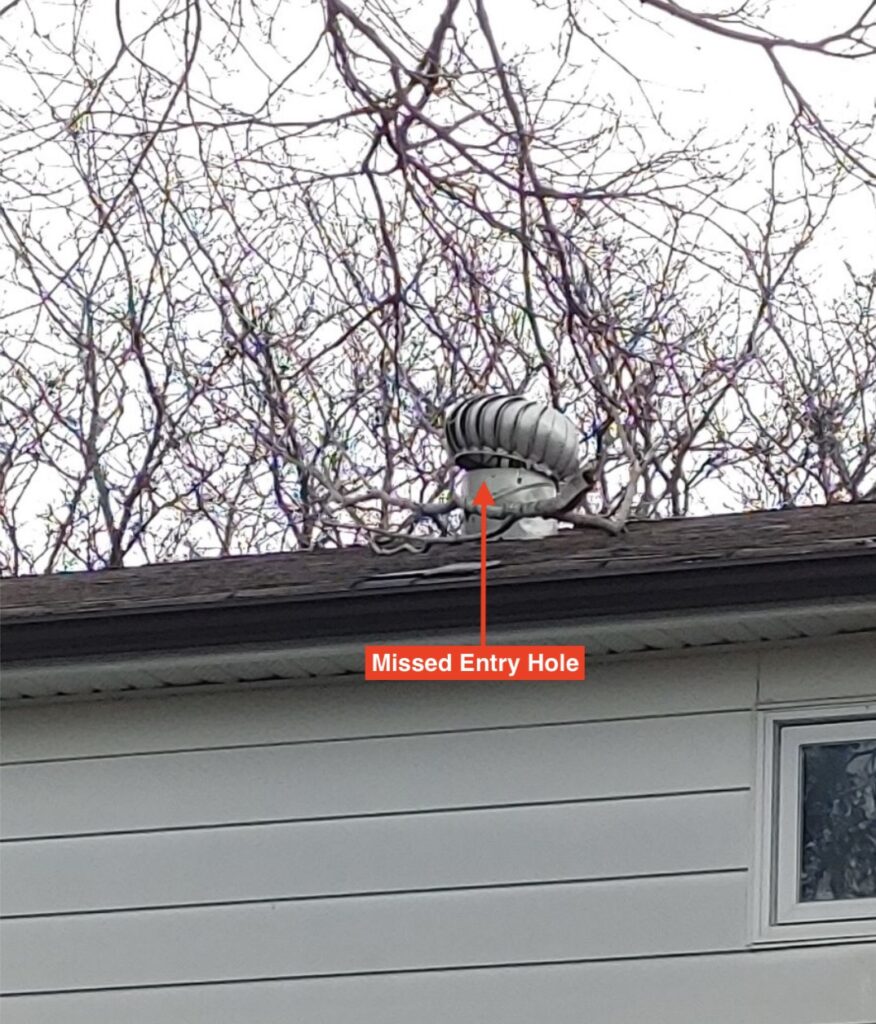
One situation stands out clearly. A drone operator completely missed a roof vent entry hole where a mother raccoon had gained access to an attic. The technician who followed relied solely on the drone footage, performed unnecessary work, and tragically sealed the mother raccoon and her babies inside the attic.
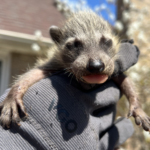
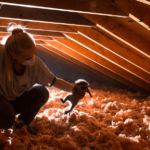
The result was heartbreaking for the animals and distressing for the homeowner. To fix the situation, the homeowner had to hire a roofer to reopen the roof, allowing the mother raccoon to escape. She then had to crawl into the attic herself to carefully remove the babies and reunite them with their mother outside.
This entire ordeal could have been avoided with a proper, hands-on inspection from the very beginning.
Why a Physical Inspection Is Irreplaceable
The truth is, nothing is more accurate or more humane than an up-close inspection performed by a trained professional. Getting on the roof allows an experienced technician to spot subtle details a drone simply can’t capture, such as:
- Grease marks left by an animal’s fur
- Tiny chew marks on wood or shingles
- Stray hairs caught in splintered edges
- The distinct odour left at an entry site
These small but critical signs not only confirm where an animal entered, but also which species is responsible, which is information that’s essential for humane and effective removal.
A Real Example: When a Drone Image Misled a Homeowner
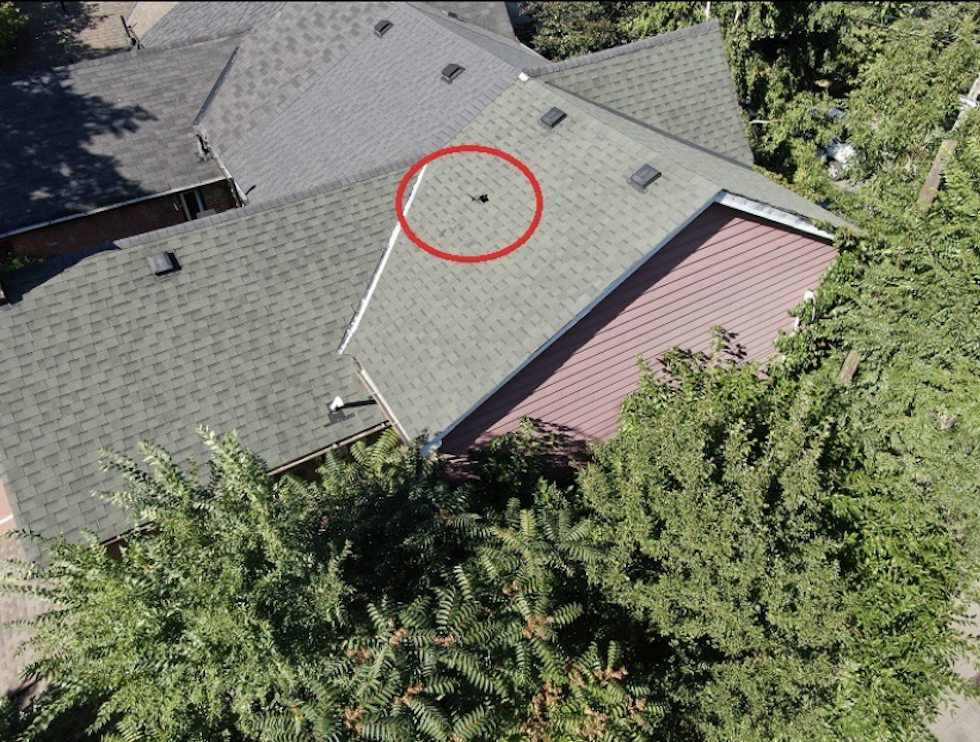
Recently, we were contacted by a homeowner who had been shown a drone photo by another company claiming there was an animal problem on their roof. The photo was taken from far away and is blurry yet it was presented as “proof” of a wildlife entry point.
The company used the shadow in the image to convince the homeowner that an animal had made a hole in their roof, urging them to act quickly before the situation “got worse.” Thankfully, the homeowner decided to get a second opinion and called us at Gates Wildlife Control.
When we performed a proper hands-on inspection, climbing up onto the roof ourselves, we found the truth:
- The supposed “hole” in the drone image didn’t exist.
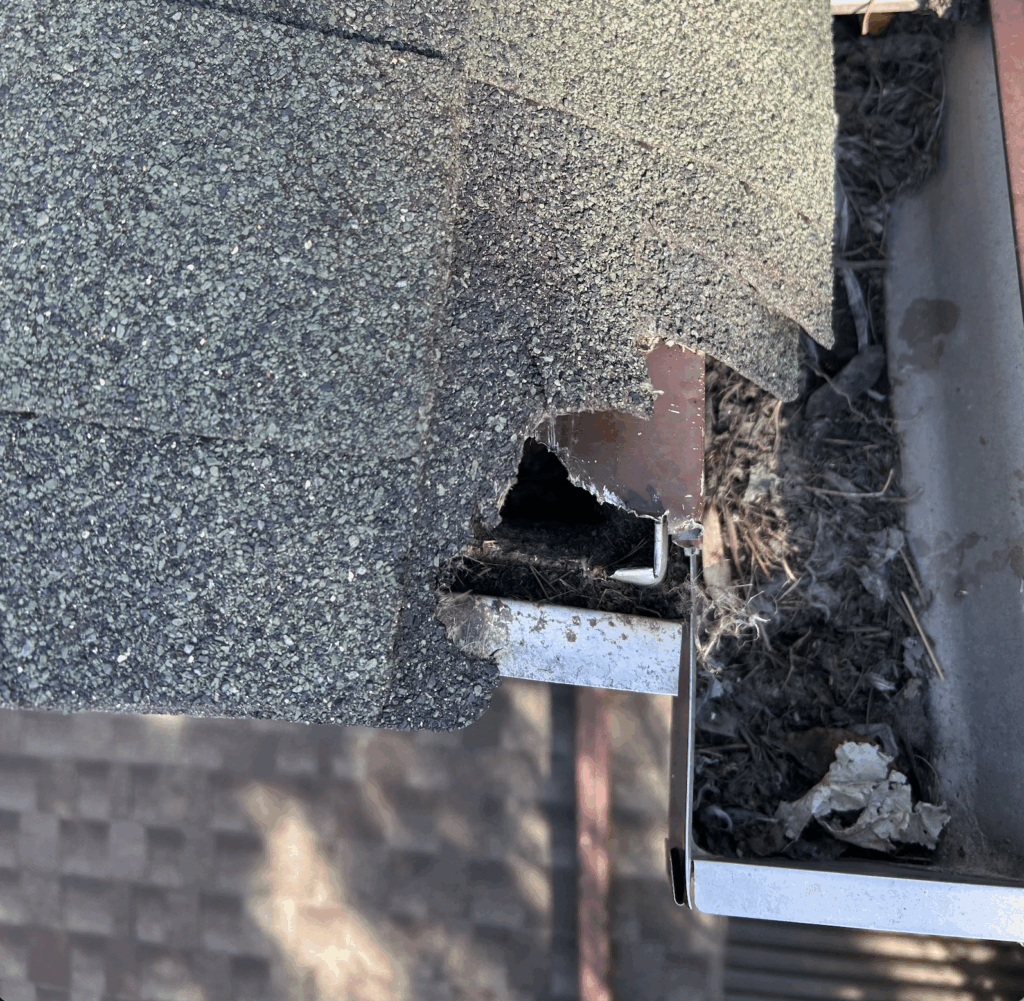
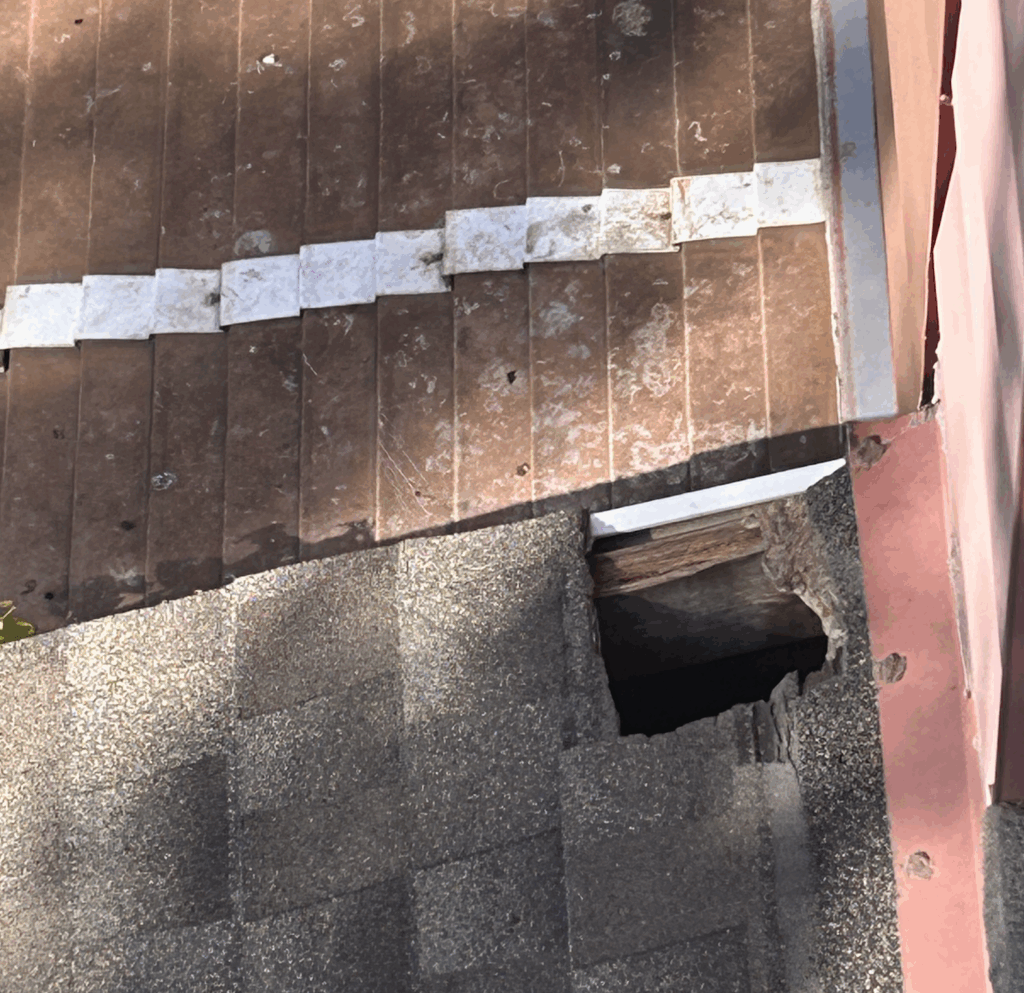
- However, we did find two actual entry points along the roof edge that the drone footage had completely missed.
This example highlights exactly why physical inspections are so critical. A drone image taken from the neighbours yard simply can’t provide the clarity or evidence needed to accurately assess a wildlife issue.
If a company ever shows you a drone photo of your roof and refuses to physically get on a ladder to verify it – always get a second opinion.
The Limitations of Drone Inspections
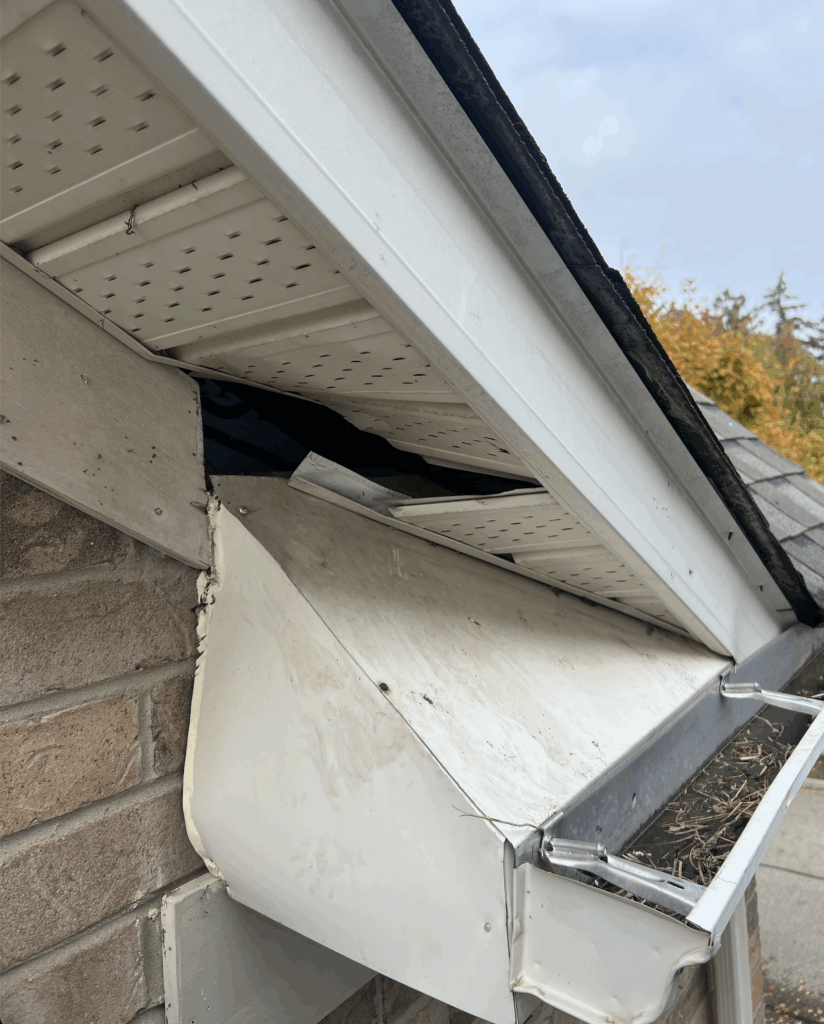
In many cases, roof vents, soffits, and shingles need to be gently lifted or physically manipulated to expose hidden entry points underneath. No drone, no matter how advanced, can detect that level of detail or evidence.
Relying on drone footage alone is, in our opinion, a shortcut – one that prioritizes convenience over care. It may look high-tech, but it sacrifices accuracy, compassion, and professionalism in the process.
Wildlife Control Is About Evidence
To put it in perspective, imagine a crime scene investigator trying to collect evidence using a drone from 20 feet away. They might capture the general layout, but they’d miss most of the critical details needed to solve the case. Wildlife inspections are no different. Every job is about gathering evidence and evidence requires close, careful examination.
Our Commitment to Hands-On, Humane Work
At Gates Wildlife Control, precision, not convenience, guides everything we do. A thorough, hands-on inspection ensures that:
- Every entry point is accurately identified
- Every animal is safely and humanely accounted for
- Your home is fully protected from future intrusions
Wildlife removal is not just a job; it’s a responsibility to homeowners, to the animals we encounter, and to the integrity of the environment we share.
Because in the end, the right approach isn’t always the easiest one it’s the one that shows respect, compassion, and commitment to doing things the right way.
Contact Gates Wildlife Control for an on-site estimate that includes a full roof inspection and detailed quote.