
As the temperatures drop and the first signs of winter appear, wildlife begins looking for safe, warm places to shelter. Mid-November is a critical time for homeowners to ensure their properties are protected from unwanted animal intrusions. At Gates Wildlife Control, we’ve been helping Canadian homeowners for over 40 years with humane, effective solutions to prevent wildlife damage and keep homes safe.
In this blog, we’ll cover what you need to know this time of year, common wildlife issues, and practical steps you can take to protect your home this winter.
Why November is a Critical Time for Wildlife Control
As the weather turns colder, many wild animals seek warmth, shelter, and food. This includes:
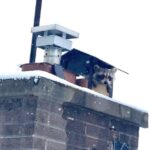
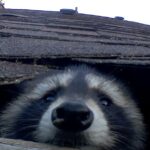
- Raccoons – looking for attic spaces or chimney’s to den.
- Squirrels – storing food and seeking warm spots in attics and walls.
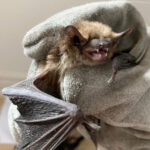
- Bats – seeking safe roosts in attics or eaves.
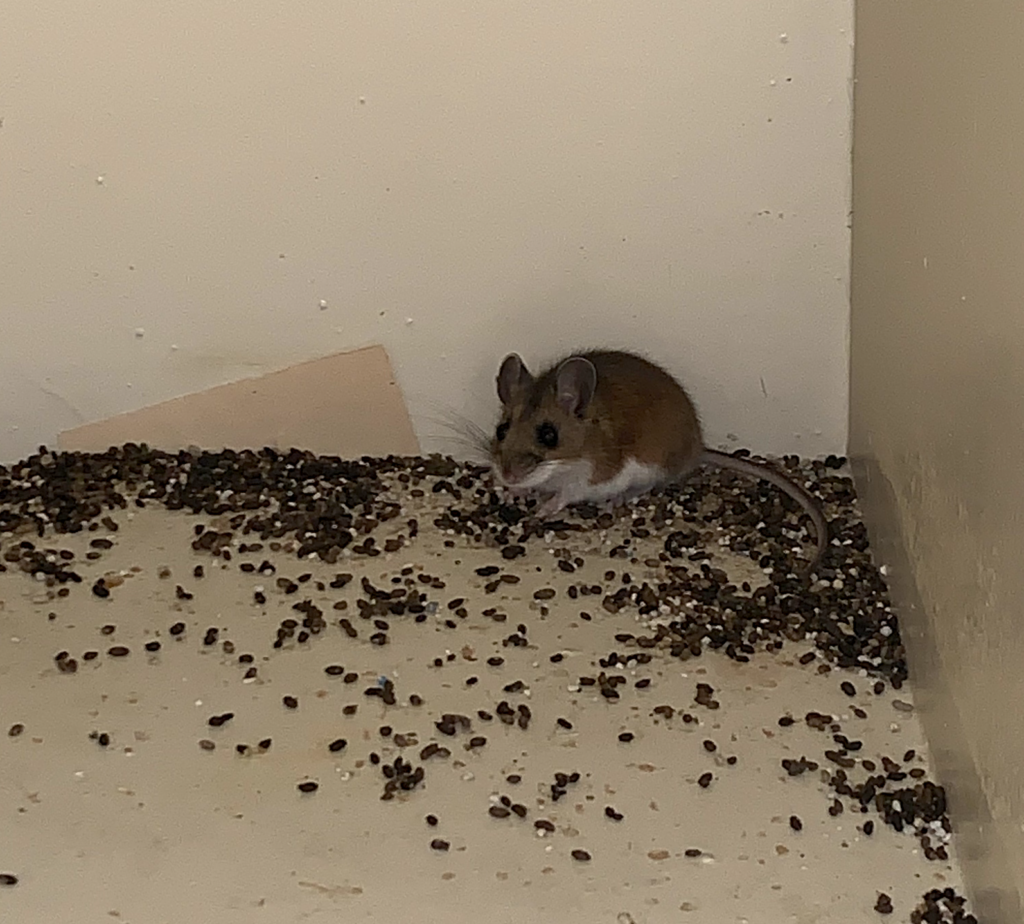
- Mice and rats – searching for food and cozy nesting sites indoors.
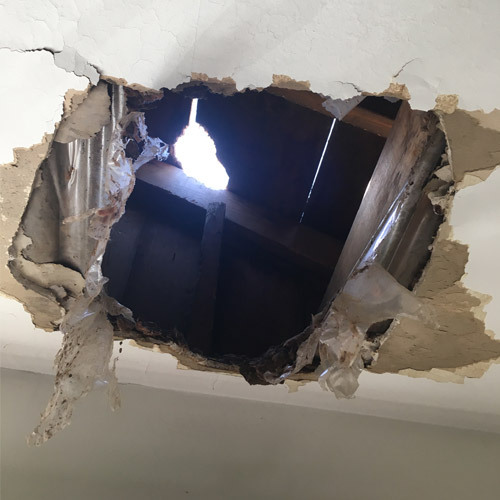
November is the perfect storm: animals are looking for shelter, homeowners are preparing for winter, and it’s easier for wildlife to find ways into your home through small gaps, roof vents, plumbing mats and other openings. Acting now can save you from costly repairs and sleepless nights later.
Common Entry Points for Wildlife in Winter
Wildlife can squeeze through surprisingly small openings. Key areas to inspect include:
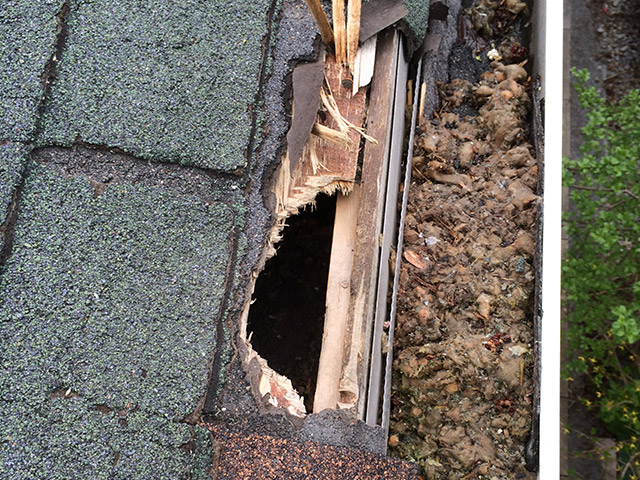
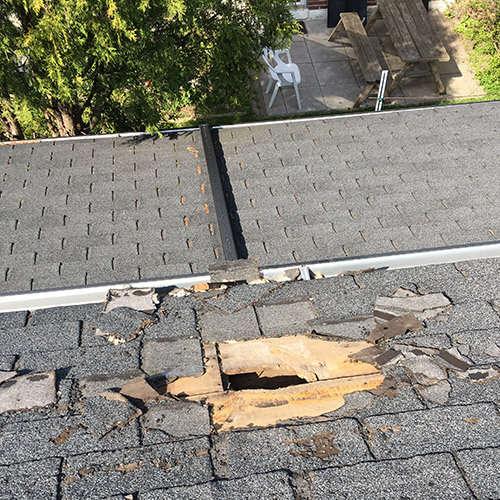
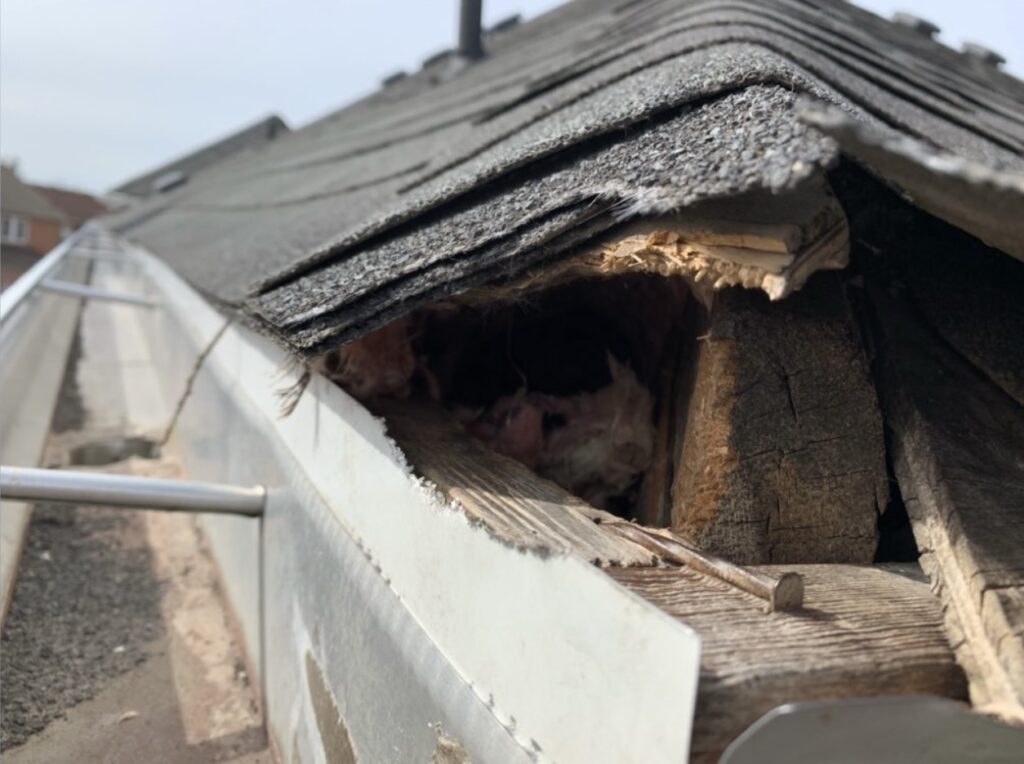
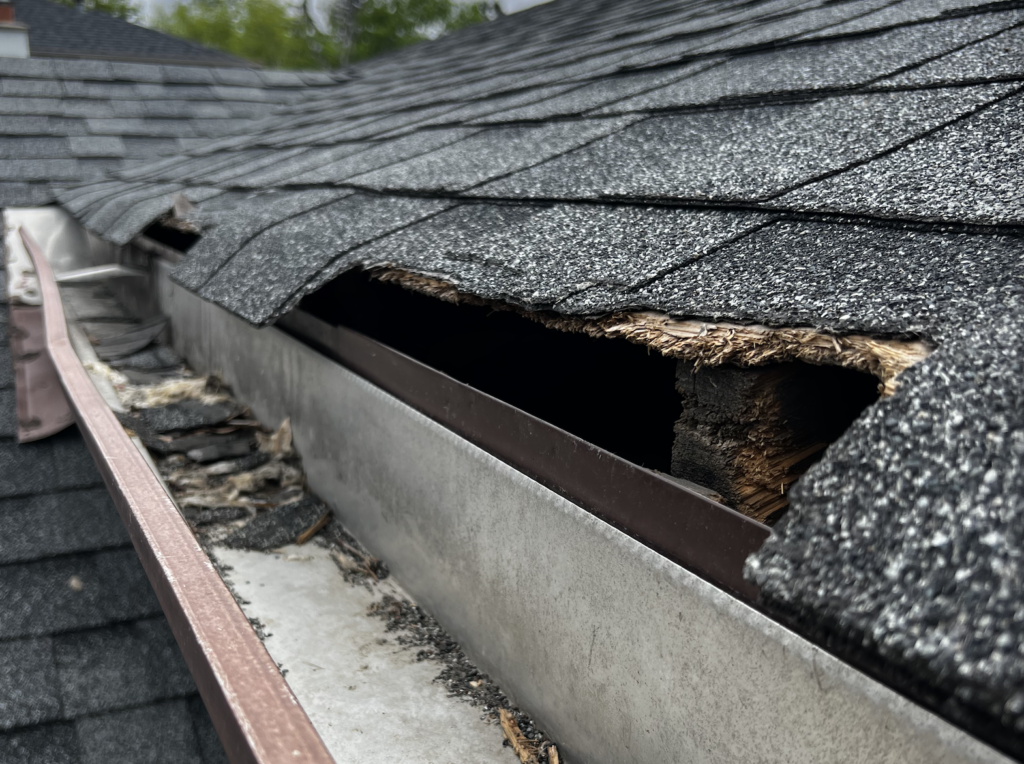
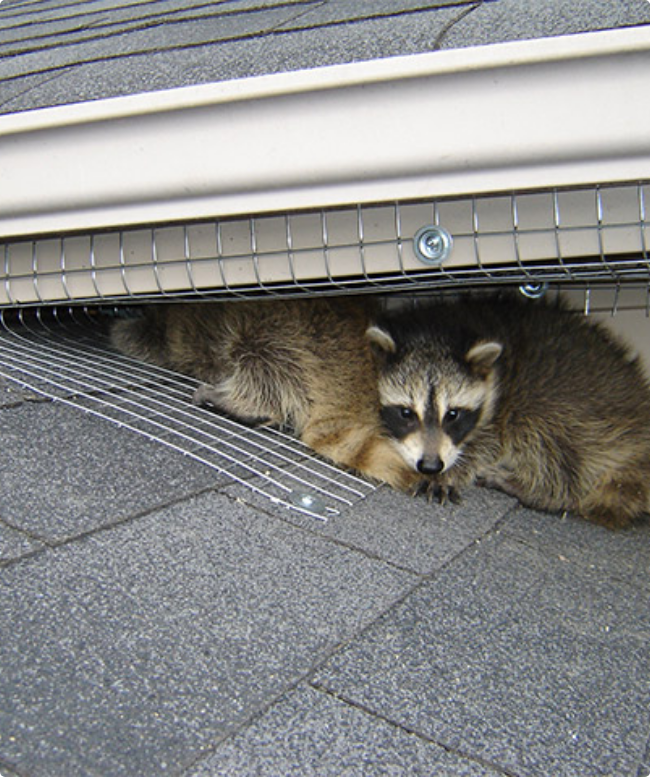
- Rooflines and eaves – raccoons and squirrels often enter through loose soffits or create a larger hole from an existing gap in the roof line.
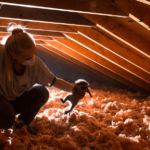
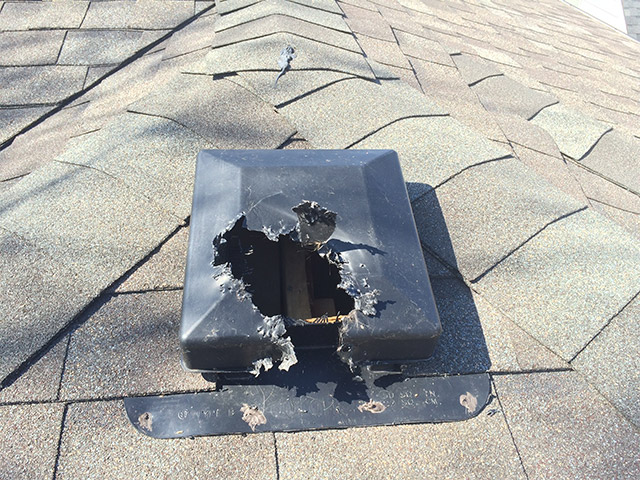
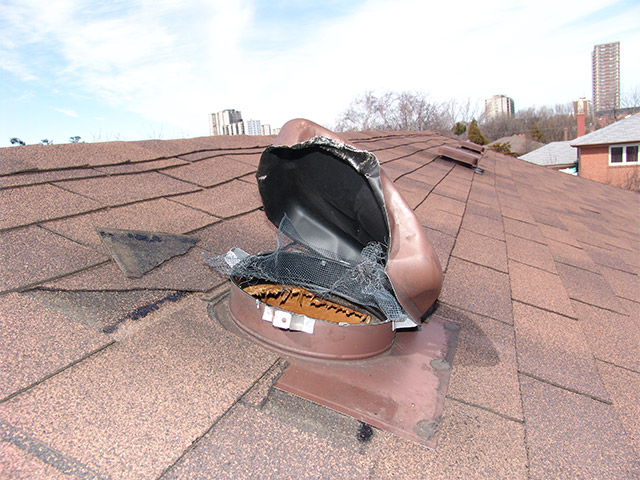
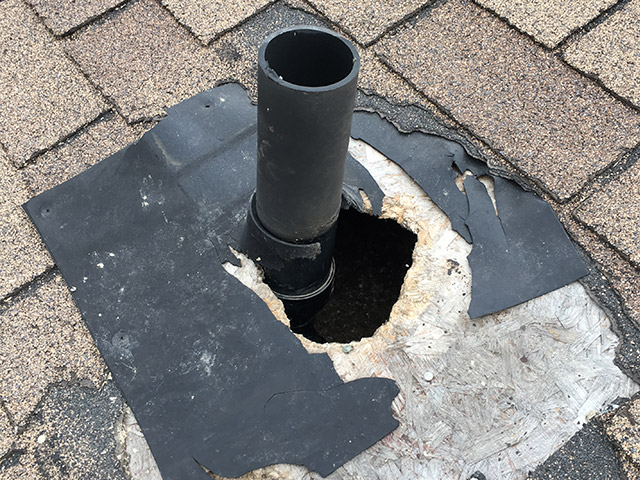
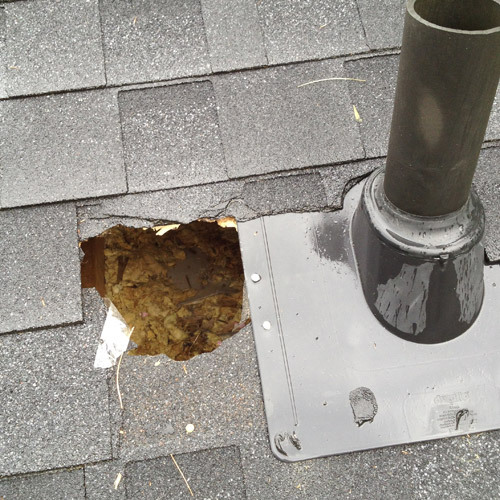
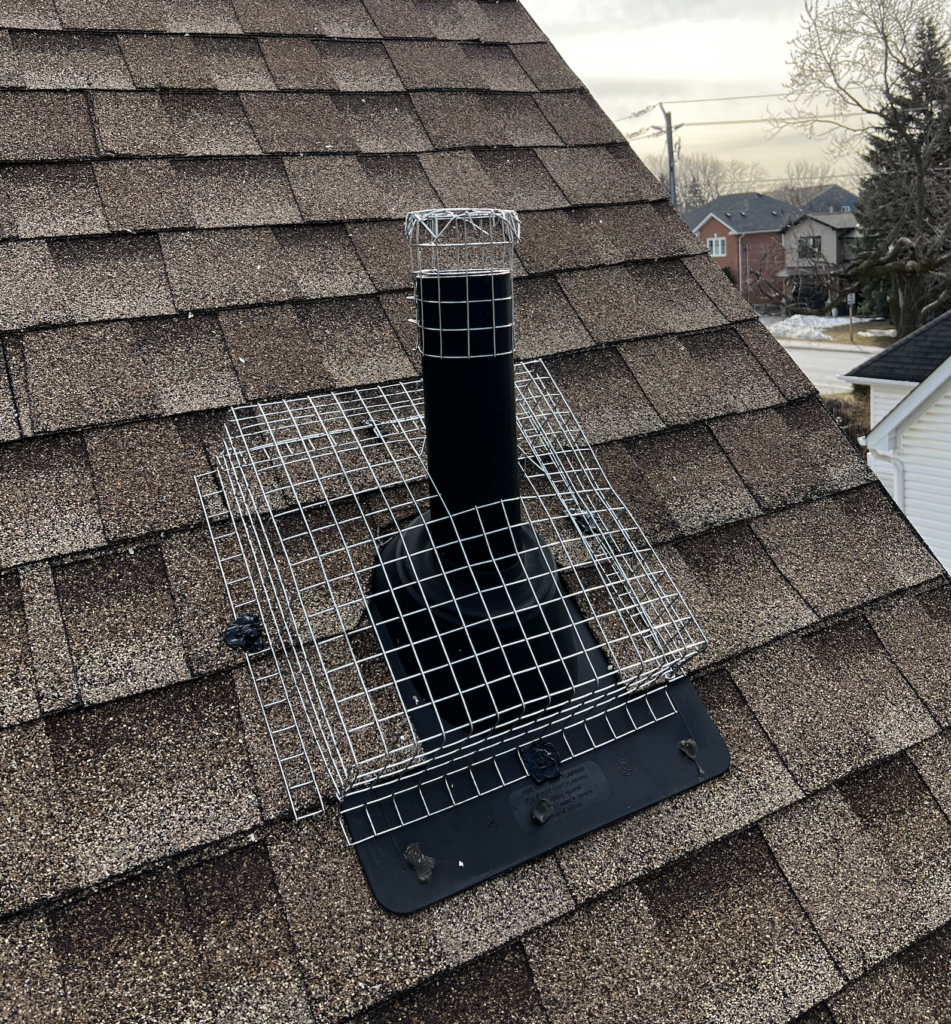
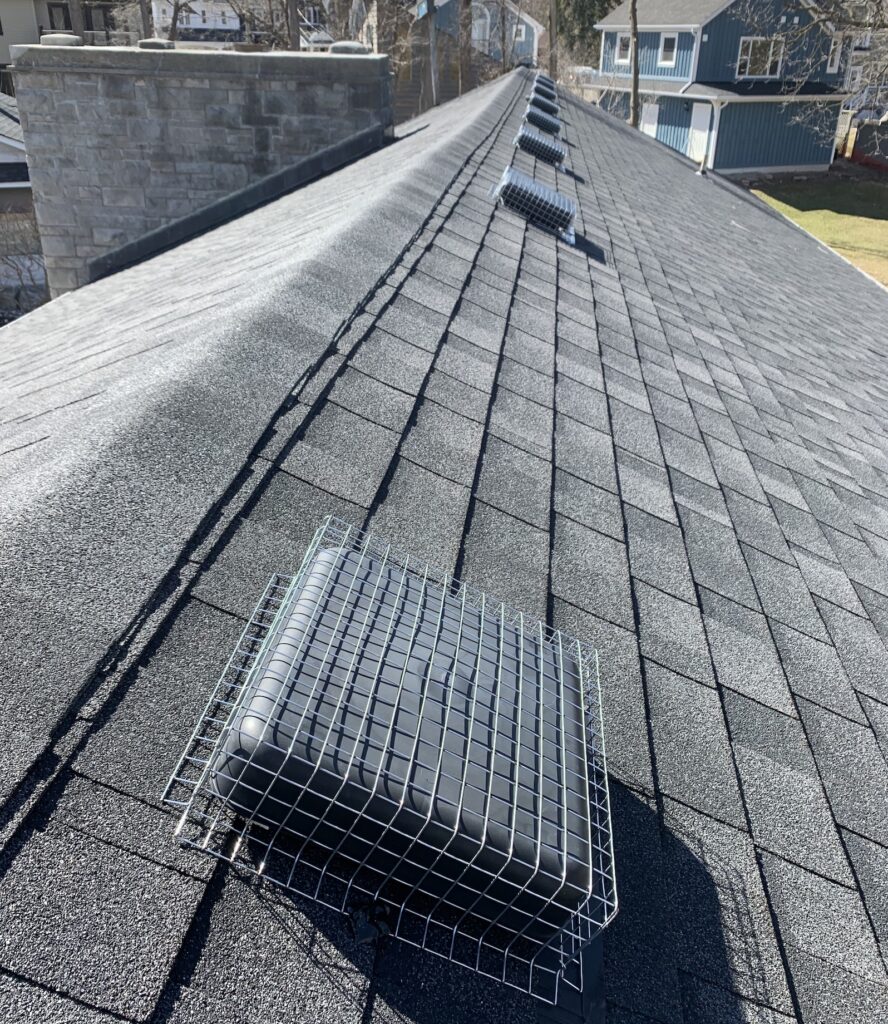
- Roof vents, plumbing mats and chimneys – birds, bats, squirrels and raccoons may try to move into the attic and chimney for warmth.
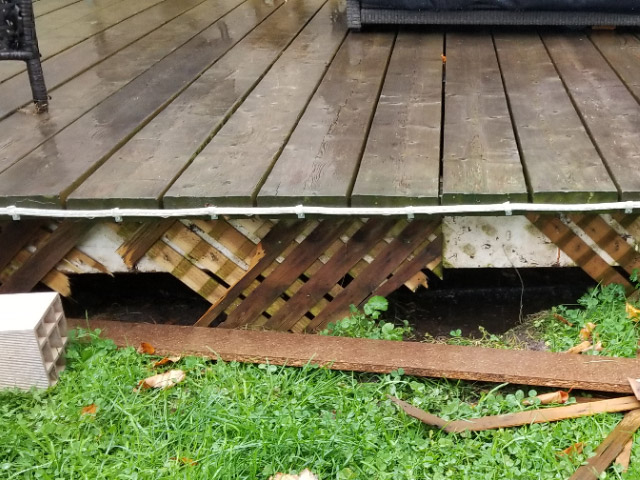
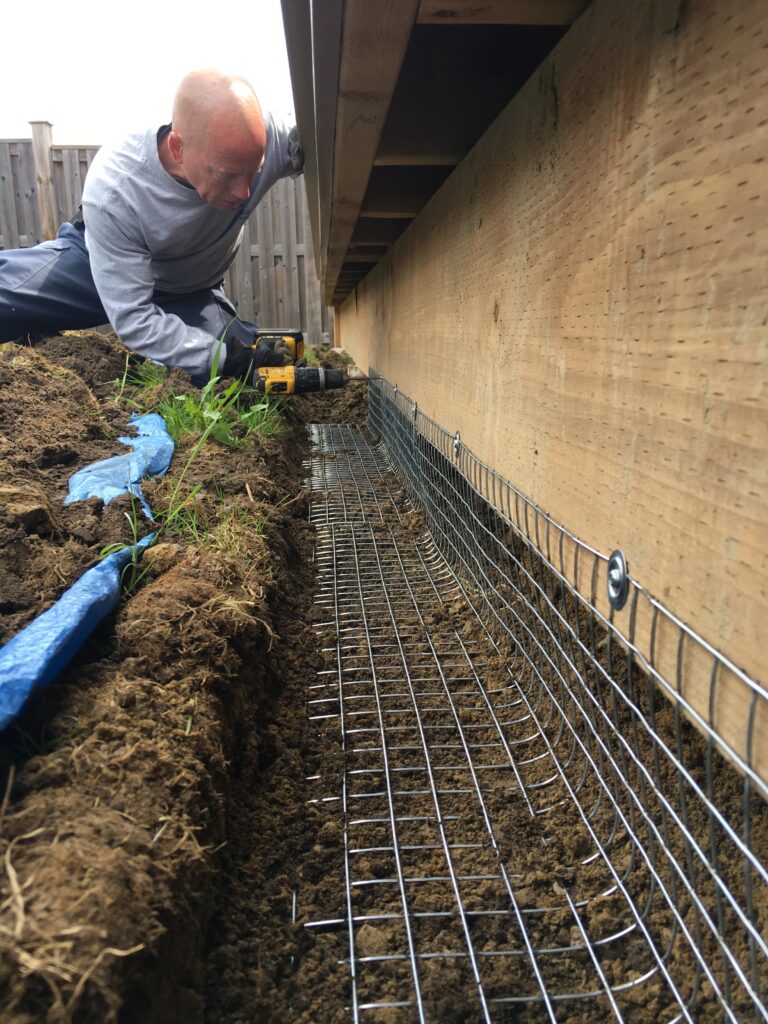
- Decks and porches – Raccoons and skunks often look for a window well under decks to den.
- Basements and crawl spaces – mice and rats can enter through cracks as small as a dime.
Regular inspections in November help identify vulnerable points before animals move in for the season.
Signs of Wildlife Activity
Homeowners should watch for these warning signs:
- Scratching, squeaking, walking or running in attics or walls.
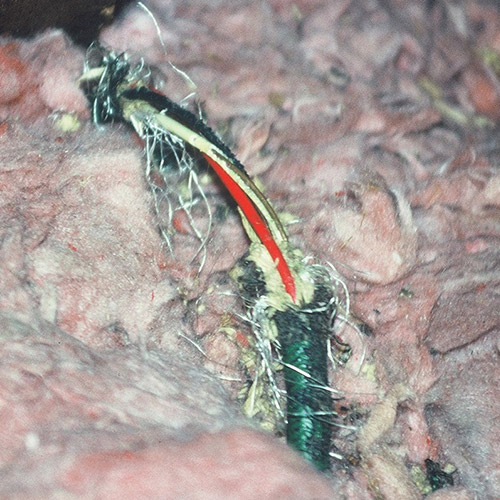
- Chewed wires, insulation, or wood.
- Unusual smells or droppings.
- Stashes of food sources under decks or in attics.
Early detection in November makes humane removal and prevention far easier.
Preventative Measures for Homeowners
1. Seal Entry Points
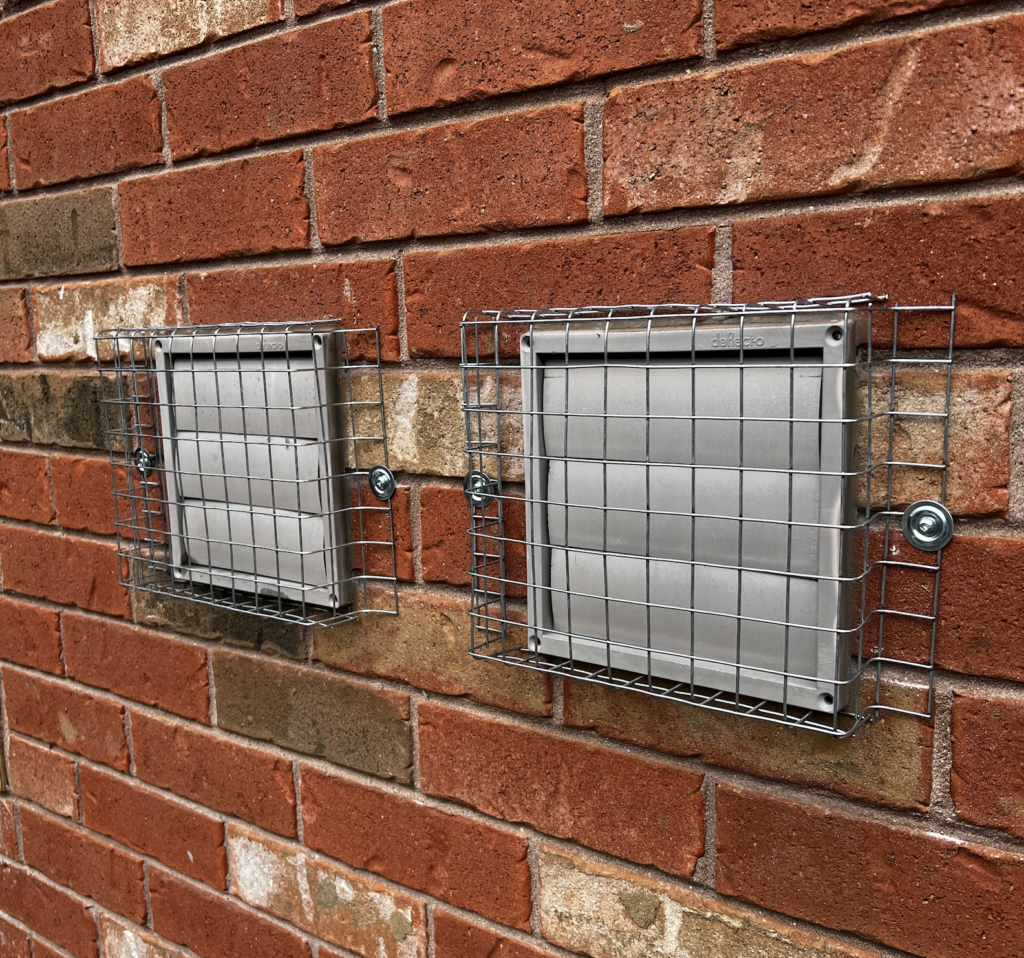
Inspect your home carefully and secure vulnerable areas like roof vents, chimneys and plumbing mats with screen. Remember, animals like squirrels and raccoons can chew through plastic, metal or wood.
2. Maintain Roofs and Chimneys
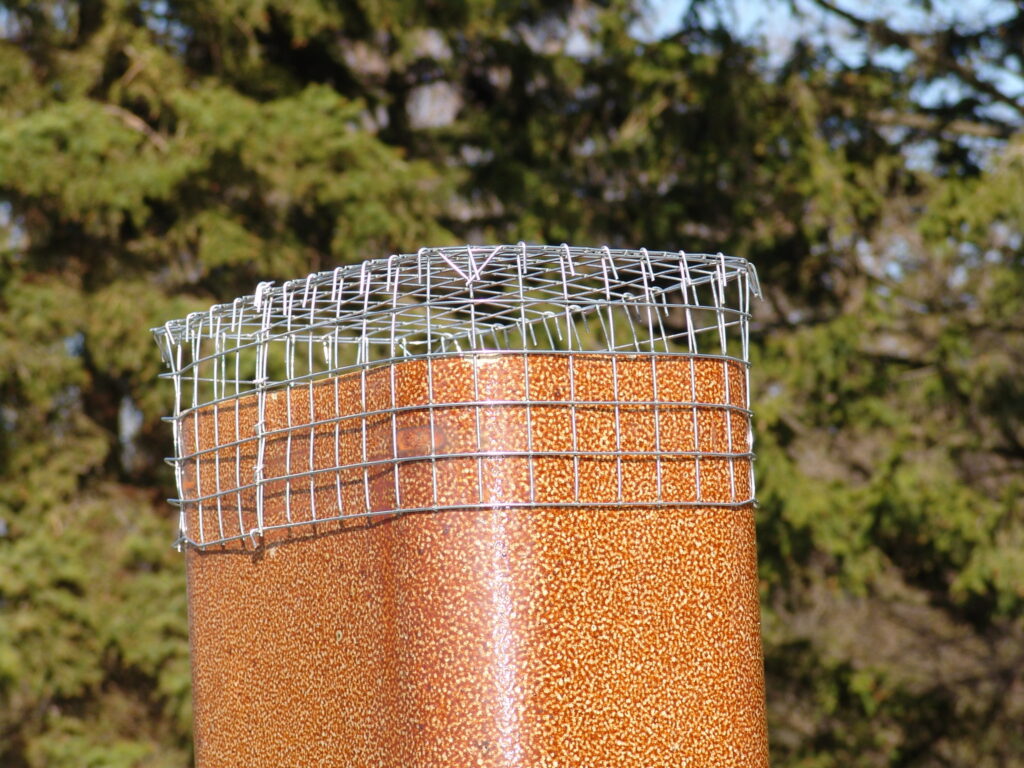
Check for loose shingles, damaged soffits, and chimney caps. A properly capped chimney keeps raccoons, squirrels and birds out while maintaining safety for your home.
3. Trim Trees and Shrubs
Branches that touch your roof can provide easy access for squirrels and raccoons. To prevent wildlife from using trees as a way to get to your home, trim back any branches that are close to your roof. Keeping trees well-maintained reduces but does not eliminate their access.
4. Remove Food Sources
Secure garbage bins, compost piles, and pet food. Red squirrels and raccoons are especially attracted to leftover nuts, fruits, and seeds. Raccoons are highly intelligent, curious, and resourceful animals. That means raccoons will use whatever resources are available to them, including your trash, to find food.
5. Schedule a Professional Inspection
A wildlife control expert can perform a thorough inspection, identify vulnerable areas, and implement preventative measures on your home. At Gates Wildlife Control, we specialize in one-way doors, heated reunion boxes, and other humane solutions that protect your home without harming wildlife.
Why Humane Wildlife Control Matters
At Gates Wildlife Control, we didn’t just start a company – we started a movement. We took an industry rooted in outdated, inhumane practices and redefined it through innovation, compassion, and education.
Gates Wildlife was founded by Brad Gates, the inventor of the one-way-door and heated reunion box. We specialize in removing raccoons, squirrels, skunks, and other animals from homes without harm using our own innovations like one-way-doors and heated baby reunion boxes.
- One-way doors allow animals to safely exit without re-entry.
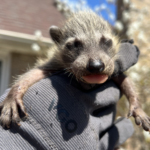
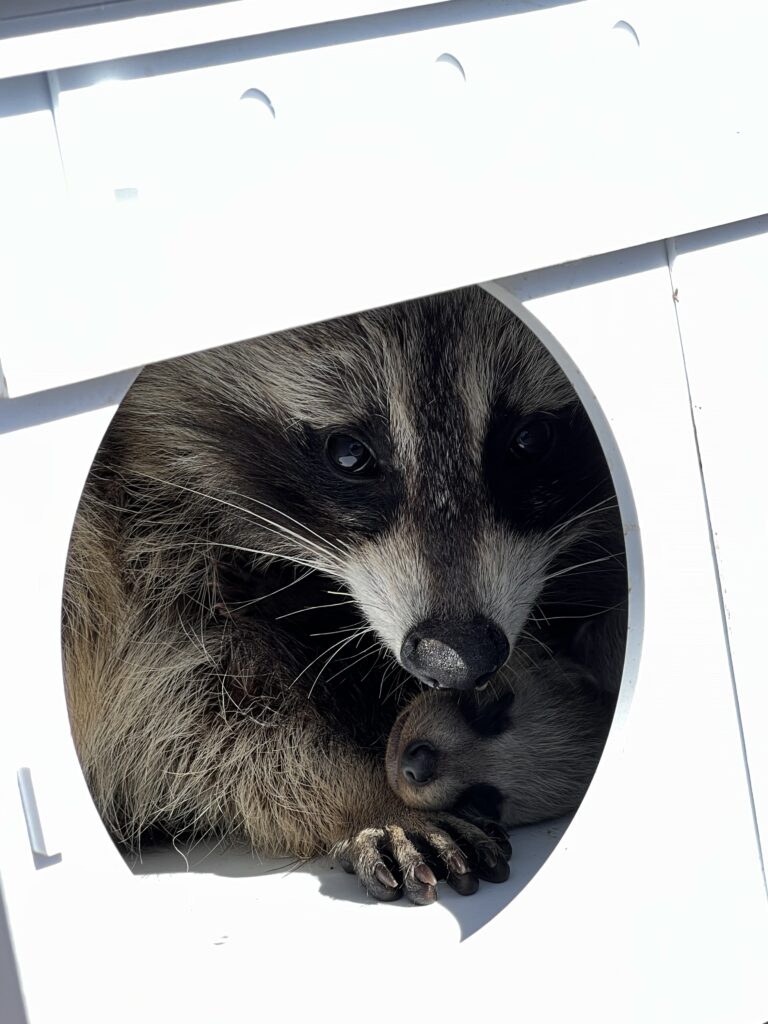
- Heated reunion boxes help mother raccoons reunite with their babies after removal.
- Over 40 years of experience proving it’s possible to protect homes and care for animals.
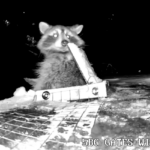
Today, with the help of advanced tools like cellular camera monitoring, we continue to refine our practices and deliver proven results that keep both homeowners and wildlife safe.
Our goal is simple: protect homes, safeguard wildlife, and lead our industry by example in humane urban wildlife control. Humane methods reduce stress for both animals and homeowners and prevent long-term damage to your property.
Mid-November Action Plan for Homeowners
- Inspect your attic and roof for signs of wildlife.
- Seal all potential entry points with appropriate meaures.
- Trim trees and remove any food sources around your home.
- Consider a professional wildlife inspection before the coldest months arrive.
By taking action now, you can avoid costly repairs, prevent animal intrusions, and enjoy a worry-free winter.
Protect Your Home This Winter
Wildlife activity peaks as temperatures drop and November is the perfect time to act. Gates Wildlife Control is here to help homeowners across Canada protect their homes while keeping animals safe.
Contact us today for a consultation and make sure your home is ready for winter!