
Gates Wildlife Control | Innovation & Humane Wildlife Removal
How Reolink Cameras Are Transforming Humane Wildlife Removal at Gates Wildlife Control
How a Canadian wildlife removal company is using cellular camera technology to better understand animal behaviour, protect wildlife families, and bring greater confidence to homeowners.
For more than 40 years, Gates Wildlife Control has been committed to finding better, more compassionate ways to resolve conflicts between people and wildlife.
Founded in 1984 by Brad Gates, our family-run company has built its reputation on innovation, education, and a simple philosophy: work with Mother Nature, not against her.
From pioneering the one-way door to developing our heated baby reunion box, we’ve always believed that truly humane wildlife removal goes beyond simply installing a one-way door and walking away. It requires careful observation, timely follow-ups, and a willingness to make adjustments to ensure every animal safely exits the structure, all grounded in an understanding of their behaviour, respect for their natural instincts, and a commitment to protecting both wildlife and homeowners.
Today, our partnership with Reolink has brought that philosophy into a new era.
By incorporating Reolink cellular trail cameras, including the Reolink Go Ranger PT – 1st 4K 4G Cellular Trail Camera , into our daily wildlife removal operations, we can remotely observe animal activity, monitor the success of our removal methods, and gain remarkable insights into wildlife behaviour that we previously could not see.
What began as a new tool for our technicians has become one of the most valuable advancements in our company’s history.
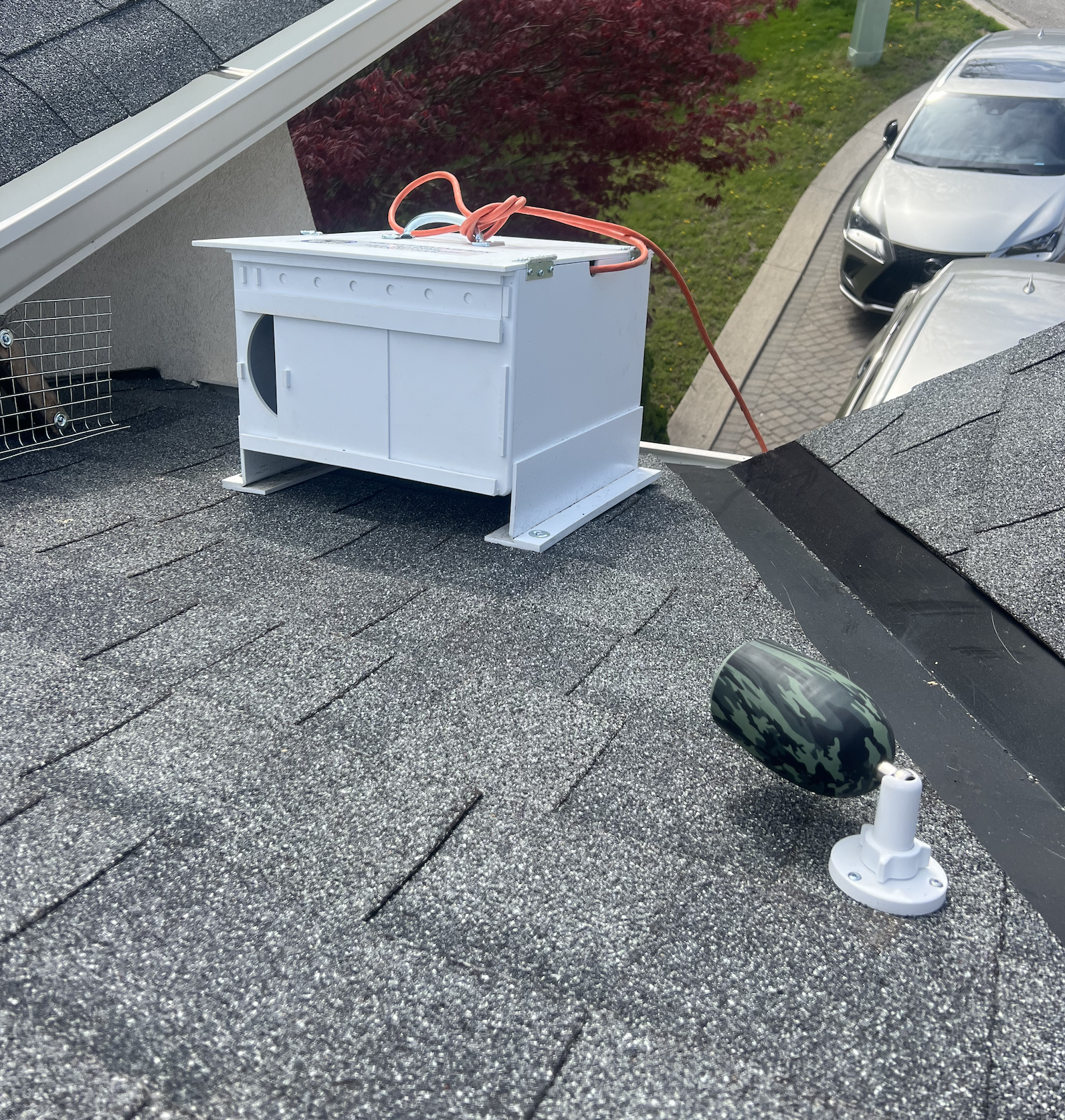
Seeing What We Could Never See Before
Wildlife removal has traditionally relied heavily on physical inspections, experience, and evidence left behind by animals. But there has always been one significant challenge: wildlife behaves differently when humans are present.
The presence of humans can trigger an adrenaline-fuelled fight-or-flight response in wildlife, causing unnatural, stress-driven behaviour. A raccoon may retreat deeper into an attic, a squirrel may freeze, or a mother may delay returning to her babies until the perceived threat has passed.
Even the most experienced wildlife professional can only observe so much while physically present. The real insight comes from understanding what animals do when we’re no longer there.
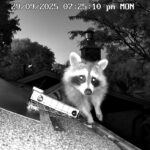
With cellular cameras positioned at wildlife entry points, one-way doors, and our heated baby reunion boxes, our technicians can observe animals remotely without disturbing their natural activities.
The Reolink Go Ranger PT – 1st 4K 4G Cellular Trail Camera offers several features particularly valuable for outdoor wildlife monitoring:
Detects animal activity and provides alerts, allowing our technicians to review important events. Species-specific recognition is available for certain wildlife, including deer and turkeys.
Rechargeable battery technology and compatible solar charging allow flexible placement without requiring nearby electrical outlets.
Invisible infrared illumination helps capture wildlife activity after dark without introducing visible lighting that could disturb animals.
Designed for outdoor use in changing weather conditions.
Allows remote monitoring at properties where a traditional Wi-Fi connection may not be available, subject to cellular coverage and a suitable data plan.
High-resolution footage and adjustable viewing angles help technicians observe more of the areas they are monitoring.
Because these cameras operate over cellular networks, they can be deployed at a wide range of job sites. We can monitor activity throughout the day and night from different locations, review recorded footage, and better understand how animals respond to our removal procedures.
Rather than relying solely on assumptions, we can make decisions based on facts – what we actually observe.
Protecting Wildlife Families Through Better Monitoring
One of the most meaningful applications of Reolink technology has been monitoring mother animals and their young.
The Go Ranger PT’s animal detection features can help alert our team to activity around entry points and heated reunion boxes. Our technicians still review the footage themselves to interpret maternal behaviour, confirm important events, and determine whether further action is required.
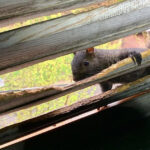
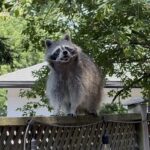
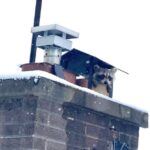
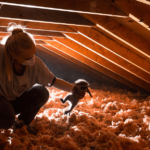
During baby season, raccoons frequently choose attics, chimneys, and other sheltered spaces to raise their families.
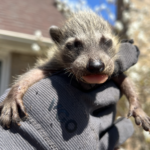
Our humane removal process involves carefully retrieving the babies, installing a one-way door to allow the mother to safely exit the home, and placing the young in one of our specially designed heated reunion boxes.
These boxes provide a warm, secure temporary location where the mother can find her babies and relocate them to a new den.
It allows us to stay informed between visits and return sooner when a situation requires additional attention.
By remotely monitoring wildlife activity, we can stay informed throughout the reunion process, identify situations that may require additional attention, and return to the property sooner when necessary.
This added visibility allows us to make more informed decisions while continuing to prioritize the safety and well-being of the animals.
We’ve captured remarkable footage of mothers returning to their babies, caring for them, and eventually carrying them away to an alternate den site they have previously established in the neighbourhood.
In some cases, the footage has shown mother raccoons spending extended periods caring for their young in our box while searching for a suitable new den.
These observations have reinforced something we’ve believed for decades: mother animals are deeply committed to protecting their offspring, and successful humane removal means working with that instinct rather than against it.
Identifying Hidden Babies Is Critical
One of the most important things our cameras have helped us recognize is the behaviour of nursing mothers.
Sometimes, even after a thorough attic inspection reveals no offspring, we observe an animal persistently attempting to regain access through its original entry point.
Without additional information, this behaviour could be mistaken for an animal simply wanting to regain access to its former den.
But camera footage can reveal clues that suggest a very different situation.
For example, our technicians use their extensive training and experience to analyze Reolink camera footage, identifying maternal behaviours and physical signs, such as exposed teats, that suggest an animal is nursing offspring. These observations can alert our team that babies remain hidden inside an attic.
That information can change the entire approach to a removal.
Instead of treating the situation as a straightforward exclusion, our technicians can investigate further and work to ensure that no young are left behind.
Having the ability to recognize these situations is one of the most significant animal-welfare benefits of our camera-monitoring program.
Learning From Wildlife, Even in the Middle of Winter
Reolink cameras have also helped us make surprising discoveries about how wildlife responds to weather and seasonal changes.
During the winter of 2025–2026, our monitoring revealed raccoons remaining inside attics for exceptionally long periods during prolonged cold and snowy conditions.
In one documented case, our team observed a raccoon remaining in an attic for two months during the winter.
These findings challenged some of our expectations about how frequently animals move between their dens and the outdoors.
They also helped us better understand how extreme winter conditions may influence raccoon activity, mating behaviour, and the timing of baby season.
For our technicians, these insights are valuable. Instead of assuming an animal will exit within a typical timeframe, we can monitor the situation and make more informed decisions about when to adjust our approach.
For homeowners, it means clearer communication and more realistic expectations.
For the animals, it means interventions that better account for their natural behaviour and the conditions they’re experiencing.
A More Efficient Process for Technicians and Homeowners
The benefits of Reolink technology extend beyond wildlife observation.
Before remote monitoring, confirming that an animal had exited or that babies had been relocated required timely visits to a property.
These visits took time, especially when technicians were travelling across the Greater Toronto Area.
With Reolink cameras, our team can check activity remotely, review important events, and determine whether an additional return visit is necessary.
This helps us:
- Confirm when animals pass through our one-way doors.
- Monitor mothers returning to heated reunion boxes to collect their young.
- Identify behaviour that may require a technician’s attention.
- Reduce unnecessary travel and repeat inspections.
- Monitor wildlife activity when homeowners are away.
- Provide customers with greater confidence in the removal process.
Of course, cameras don’t replace our technicians’ expertise or necessary physical inspections. They give our team another valuable tool for making the right decisions.
By combining decades of hands-on experience with remote observation, we can provide a more informed and responsive service.
A Growing Partnership
Our partnership with Reolink has allowed us to bring cellular camera monitoring into everyday wildlife removal operations on a scale that would otherwise have been difficult to achieve.
By Earth Day 2025, Gates Wildlife had deployed nearly 100 Reolink cameras to observe raccoons and other urban wildlife, bringing cellular connectivity and high-quality footage to locations where conventional Wi-Fi-based systems would not have been practical.
Reolink also recognized our work as part of its Earth Day 2025 conservation campaign, highlighting how camera technology can support humane wildlife management and reduce human-wildlife conflicts.
For us, this collaboration represents much more than access to innovative equipment.
It has helped us continually improve our procedures, better understand the animals we work with, and demonstrate the importance of using technology to improve our humane practices.
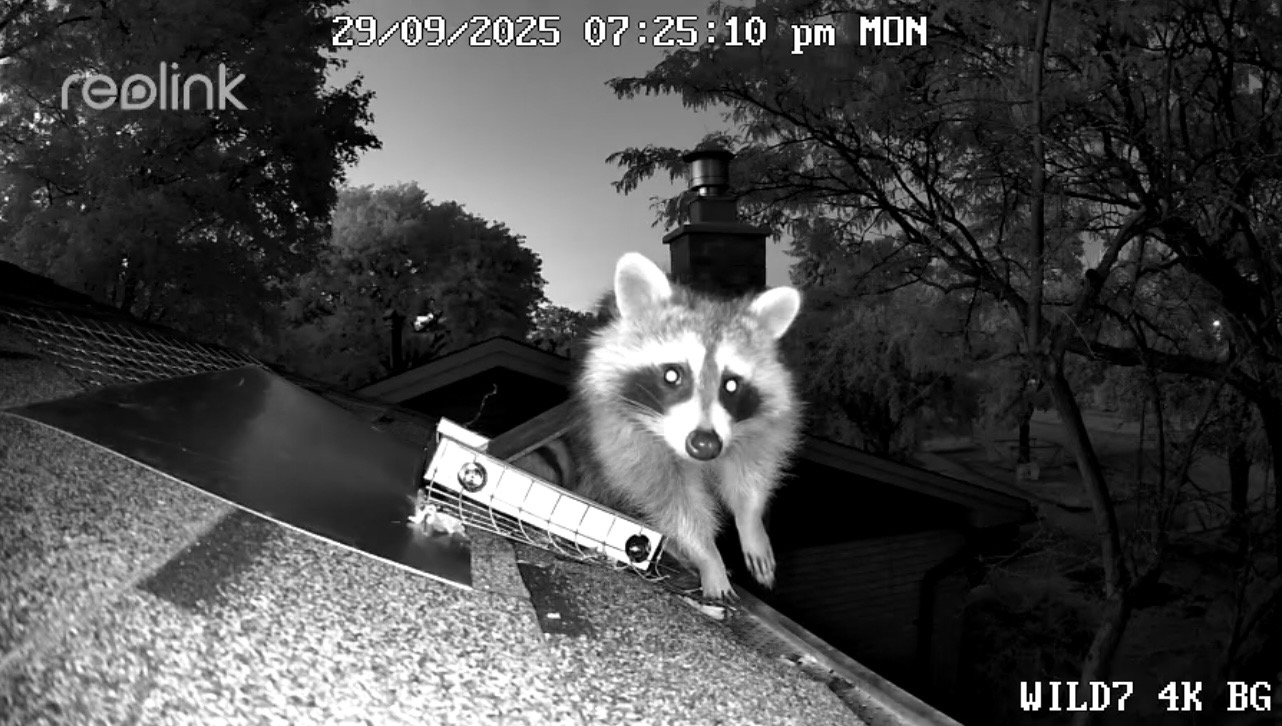
Bringing the Public Closer to Wildlife
Perhaps one of the most unexpected benefits has been the opportunity to share what we’re learning.
Through our YouTube channel and social media platforms, we regularly document wildlife removal cases and educate viewers about the fascinating animals living alongside us.
Reolink footage has given our audience a unique perspective on wildlife behaviour that was previously difficult to observe.
Viewers can watch mother raccoons caring for their young, squirrels responding to exclusion methods, and wildlife behaving naturally when people aren’t nearby.
These moments aren’t just entertaining. They’re educational.
They help people see wildlife as intelligent, adaptable animals with strong survival instincts and complex family relationships.
The more people understand these behaviours, the easier it becomes to appreciate why humane wildlife removal is so important.
Innovation That Makes a Real Difference
At Gates Wildlife Control, innovation has never been about technology for its own sake.
It’s about finding better ways to solve problems while staying true to our commitment to animal welfare.
The one-way door gave wildlife a way out without trapping or relocating them.
The heated reunion box gave mothers a safe opportunity to collect their young.
Now, Reolink cellular cameras give us the ability to observe and continually improve these procedures based on real animal behaviour.
Each innovation builds on the last.
And each one allows us to deliver a more humane, effective, and informed wildlife removal service.
Looking Ahead
After more than four decades in wildlife control, we’re still learning something new about wildlife every day.
Our partnership with Reolink has opened an extraordinary window into the lives of animals we thought we already understood.
It has helped us recognize behaviours we’d never previously witnessed, refine our procedures, and improve the experience for both wildlife and the people whose homes we’re protecting.
We’re grateful to Reolink for supporting our mission and helping us demonstrate how technology and compassion can work together.
It’s about taking responsibility for the lives of the animals we encounter every day. After all, our wild neighbours deserve nothing less than our utmost respect and care.
Follow Our Wildlife Adventures & Explore Reolink
Want to see Reolink cameras in action? Follow Gates Wildlife Control as we share real wildlife removal cases, fascinating animal behaviour, and behind-the-scenes footage captured through our cameras.
Follow Gates Wildlife Control:
Explore Reolink Cameras
Whether you’re looking to improve security around your home or business, or monitor wildlife on your property, Reolink offers a wide range of wireless cameras designed for indoor and outdoor use.
Shop Reolink & Support Gates WildlifeAffiliate disclosure: Gates Wildlife Control may earn a commission when you shop through our link, at no additional cost to you.
Gates Wildlife Control — Get Them Out. Keep Them Out.