
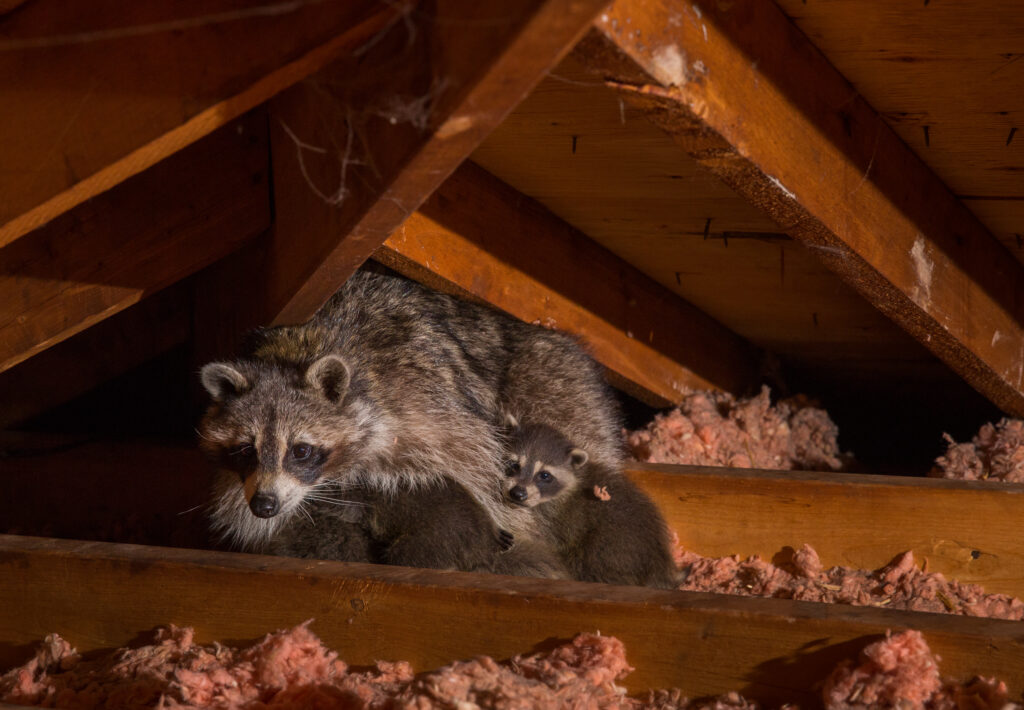
As temperatures drop and wildlife starts looking for warm, safe places to shelter, many homeowners face a common problem: raccoons, squirrels, and other animals using your garage as a gateway to your attic. One open garage door, even just once, can give these opportunistic animals the perfect chance to explore your attic.
At Gates Wildlife Control, we’ve seen firsthand how quickly raccoons can move from the garage into your attic of your home if given the opportunity. Understanding the risks and taking preventative measures is critical to protecting your home, especially in the colder months.
How Raccoons Access Your Garage and Attic
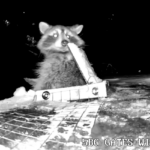
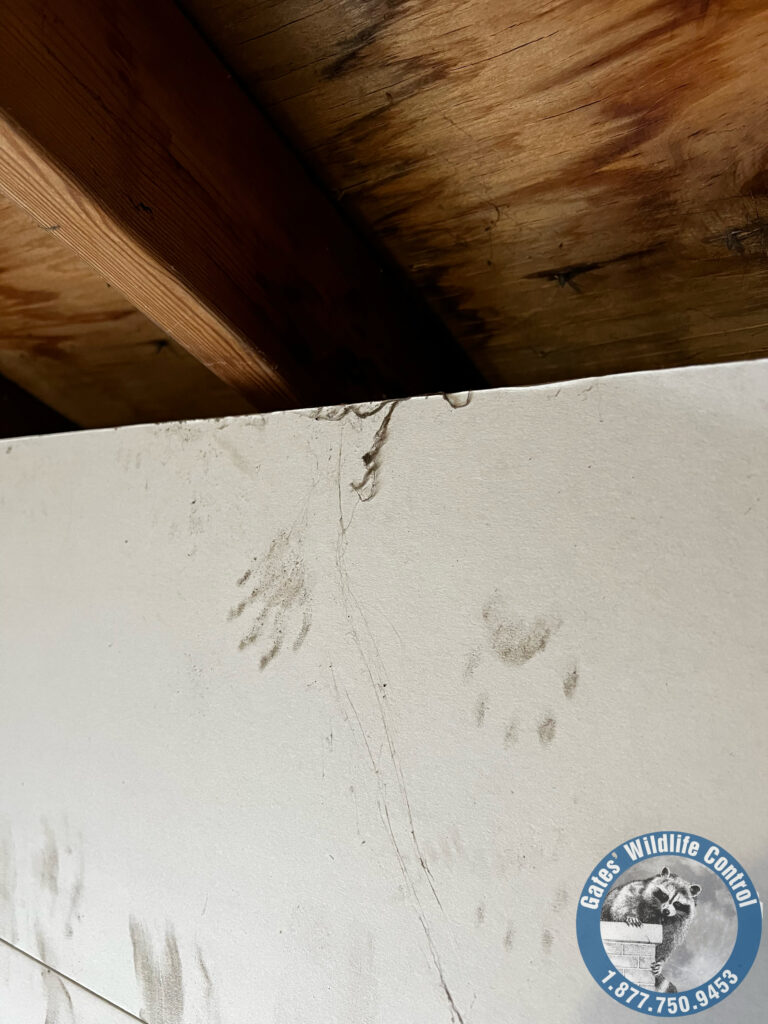
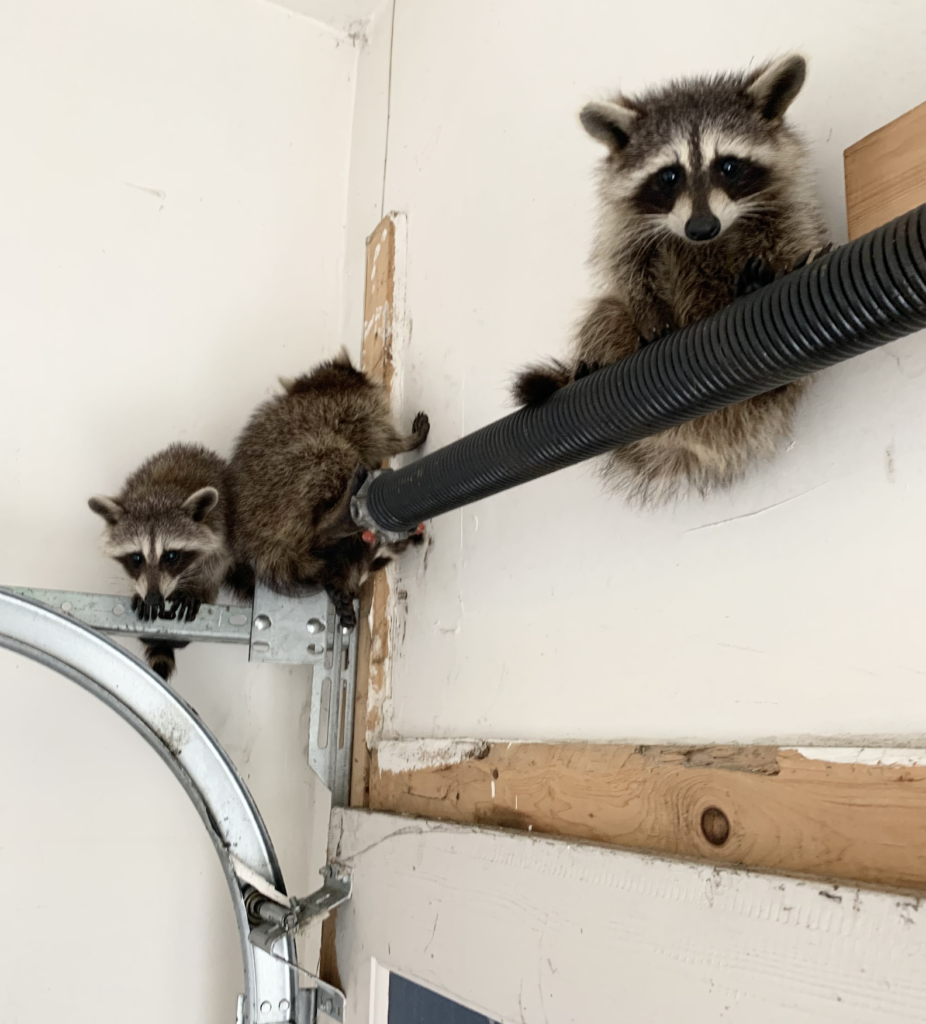
Raccoons are extremely intelligent and persistent animals. All it takes is one small opening or an open garage door for them to investigate. Once inside, they may:
- Explore gaps above garage joists to reach the attic
- Leave muddy footprints across shelves, boxes, or even your car
- Cause damage by chewing wires, insulation, or stored items
Squirrels are also opportunistic and can use the same entry points to access your roof or attic spaces, creating nests and stockpiling food for winter.
Signs of Raccoon or Squirrel Activity
If you’re unsure whether wildlife has moved into your garage or attic, watch for:
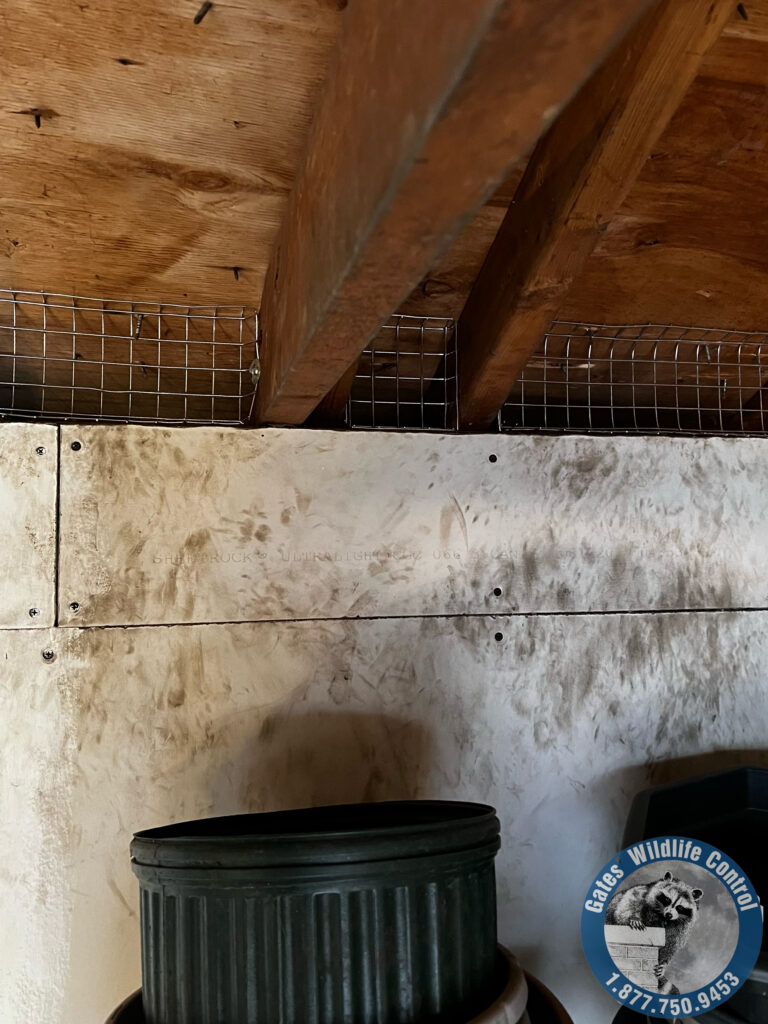
- Muddy footprints on boxes, shelves, or vehicles
- Rustling, scratching, or squeaking noises at night
- Droppings, food remnants, or chewed items in the garage or attic
- Loose shingles, vents, or soffits where animals could squeeze through
Early detection is key. The sooner you spot these signs, the easier it is to prevent long-term damage and costly repairs.
The Only Reliable Way to Protect Against Garage Access
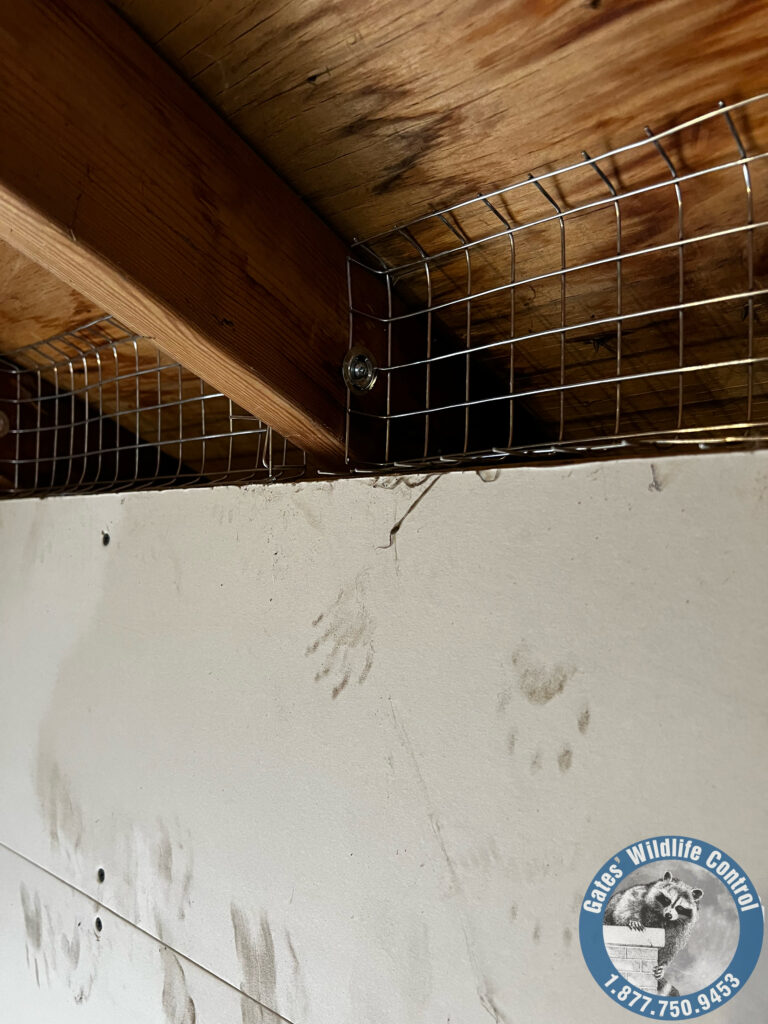
The only way to fully protect against garage access is to screen between every garage joist, from the top of the wall to the roof board – a service we provide at Gates Wildlife Control. Once these areas are screened, you can leave the garage door open without worry. Even if a raccoon or squirrel ventures inside, it won’t have access to your attic.
Protect the Rest of Your Roof and Attic
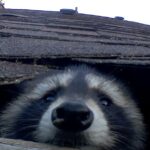
While garages are a common entry point, they’re not the only way wildlife can access your home. Raccoons and squirrels will investigate:
- Roof vents and soffits
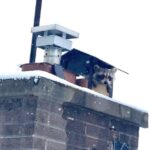
- Chimneys
- Gaps in fascia or eaves
- Skylights and gaps around plumbing vents
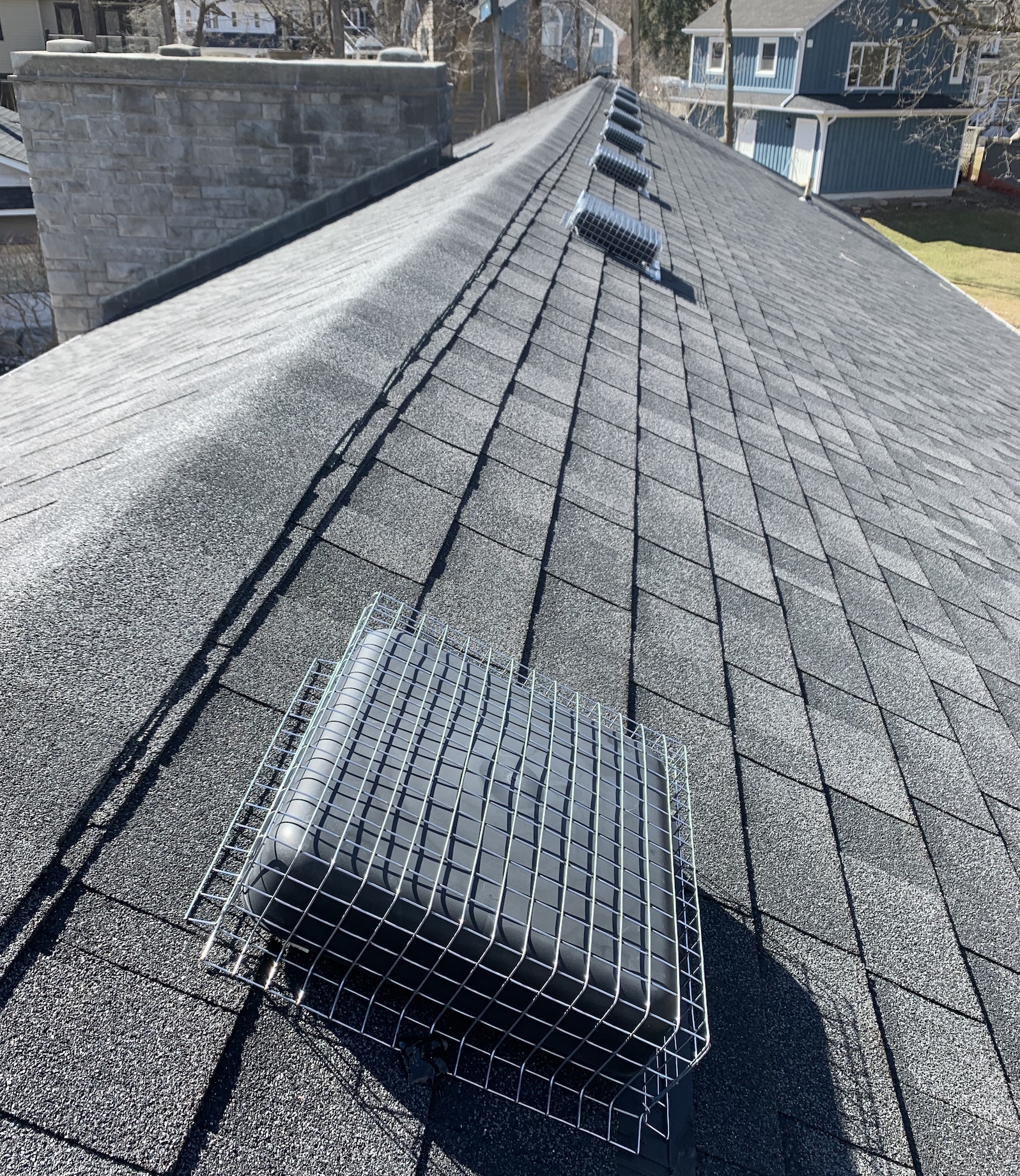
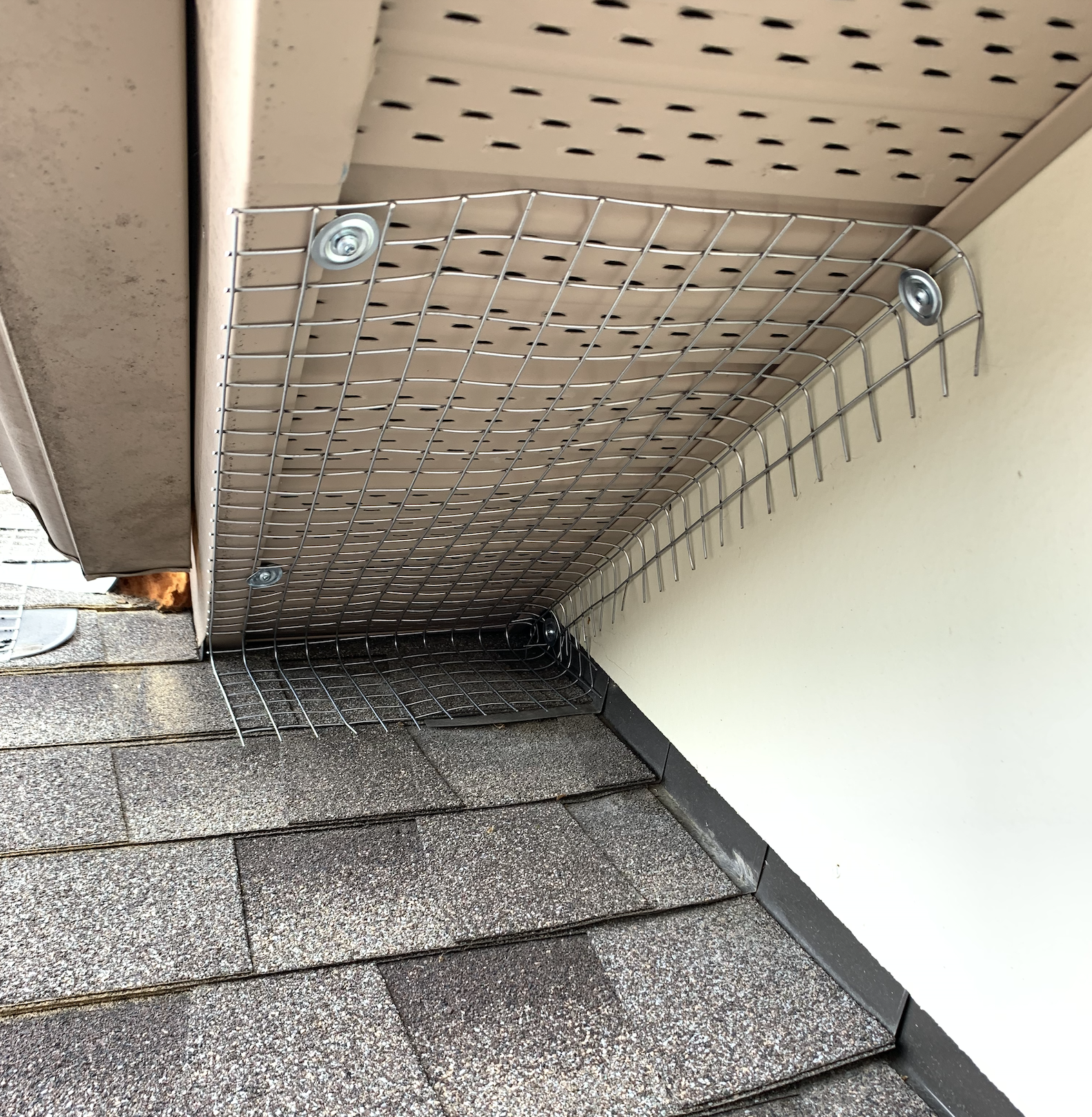
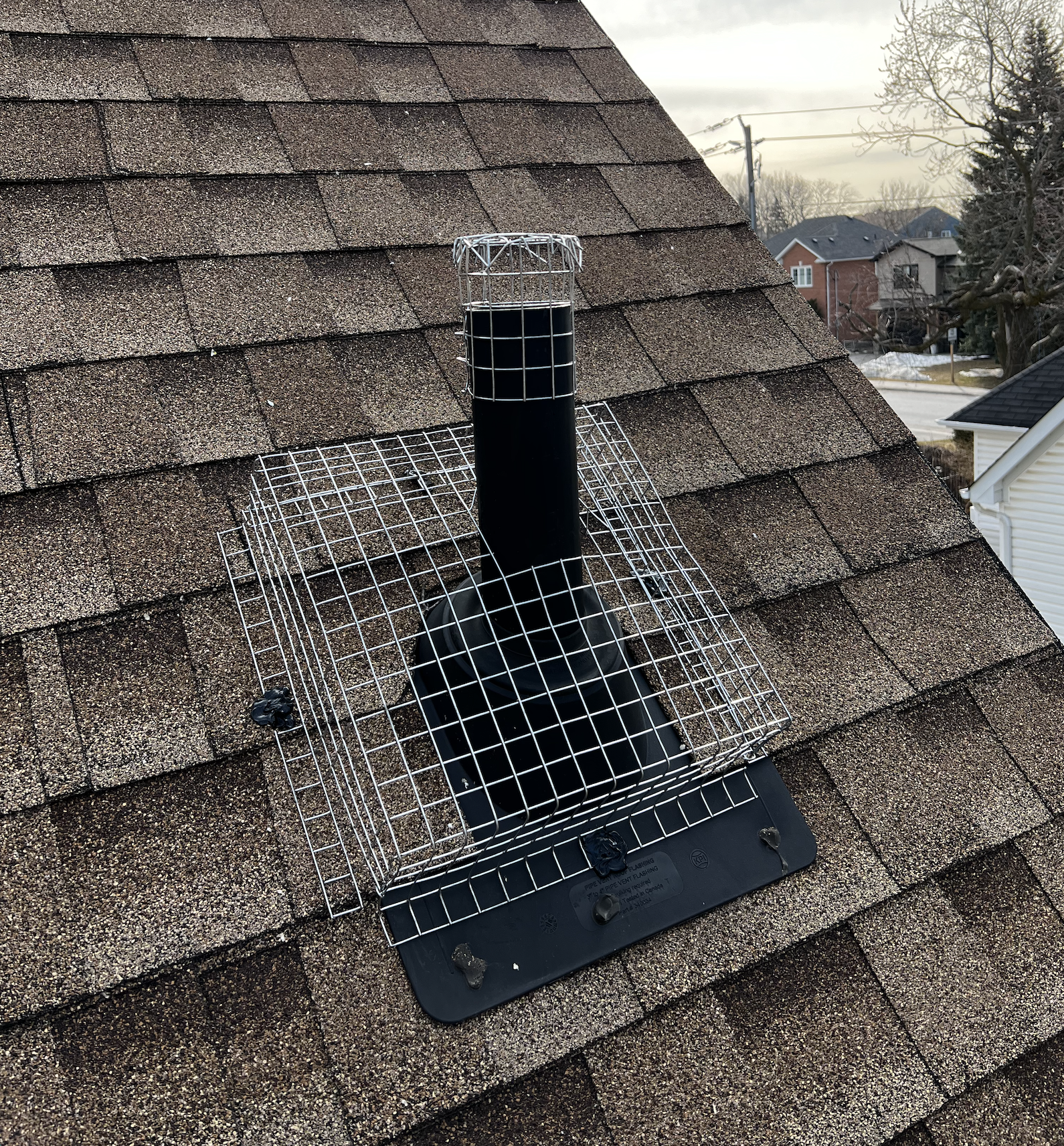
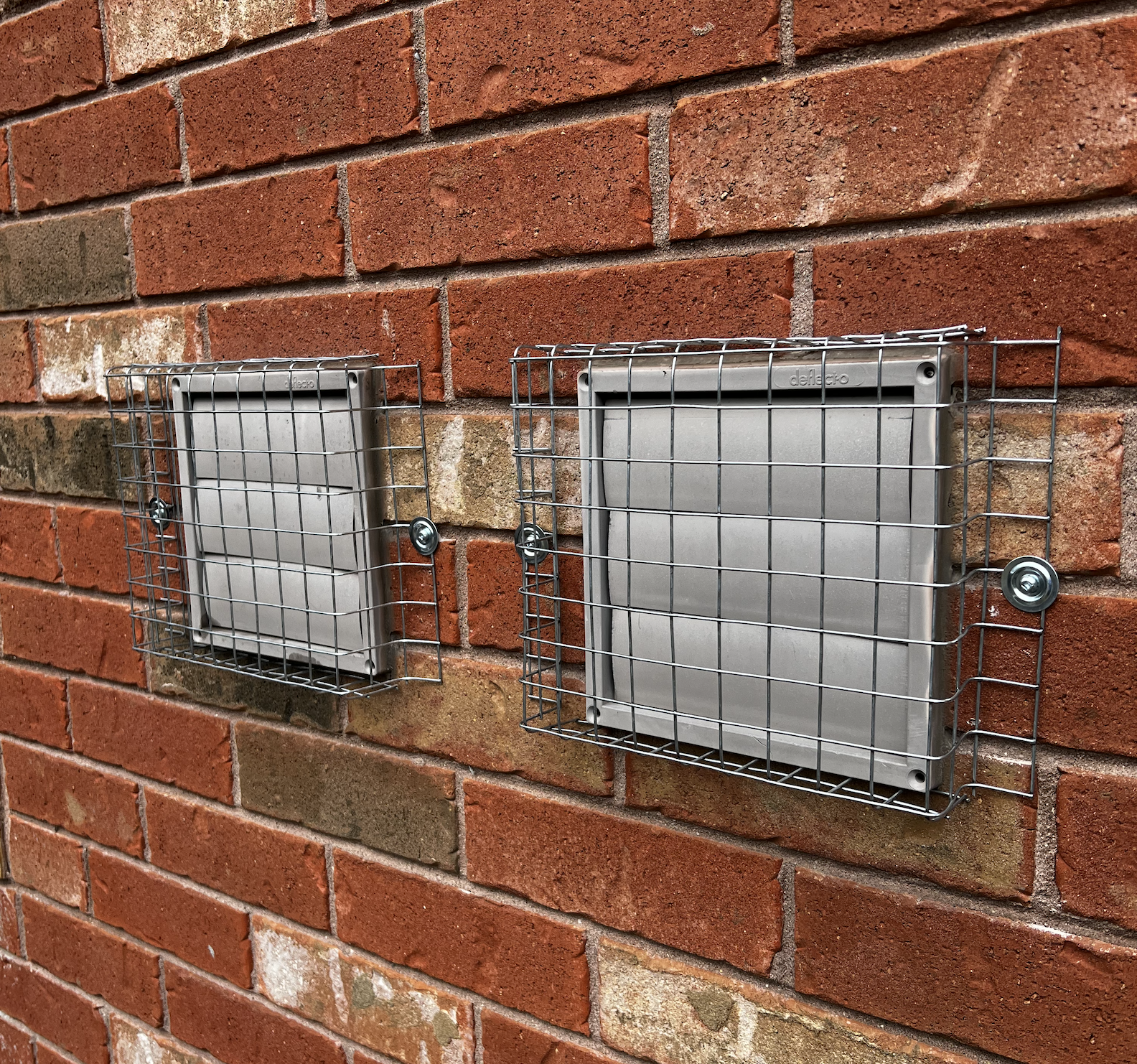

Your home is attractive to wildlife, meaning it offers warmth, shelter, and food, which means they may attempt multiple entry points. Proactively inspecting your roof, attic, and vents, and installing screens or one-way doors where necessary, ensures that your home remains secure.
Why Prevention Matters
A single unprotected entry point can lead to:
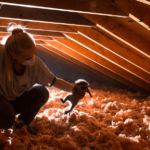
- Attic damage: insulation, wires, and wooden beams are at risk
- Health hazards: droppings can carry bacteria and parasites
- Noise and stress: raccoons are nocturnal and can disturb your family at night
Proper wildlife prevention, including garage and roof screening, can save you thousands in repair costs and give you peace of mind.
How Gates Wildlife Control Can Help
At Gates Wildlife Control, we specialize in humane wildlife removal and prevention. Our team can:
- Inspect your garage, attic, and roof for signs of raccoons, squirrels, and other animals
- Install screens, one-way doors, and other barriers to prevent access
- Provide ongoing advice to protect your home from future wildlife intrusions
With over 40 years of experience, we ensure your home is safe while keeping animals safe.
Take Action Before Winter
Don’t wait until you hear scratching in your ceiling or see chewed insulation.
Protect your home today:
- Inspect your garage and roof for potential entry points
- Seal or screen gaps to prevent wildlife from entering
- Call a professional wildlife control service for a thorough inspection
At Gates Wildlife Control, we make sure raccoons and squirrels stay outside where they belong so you can enjoy a safe, worry-free winter.
Contact us today for a consultation and protect your home before the cold sets in.